
Last updated October 30, 2026
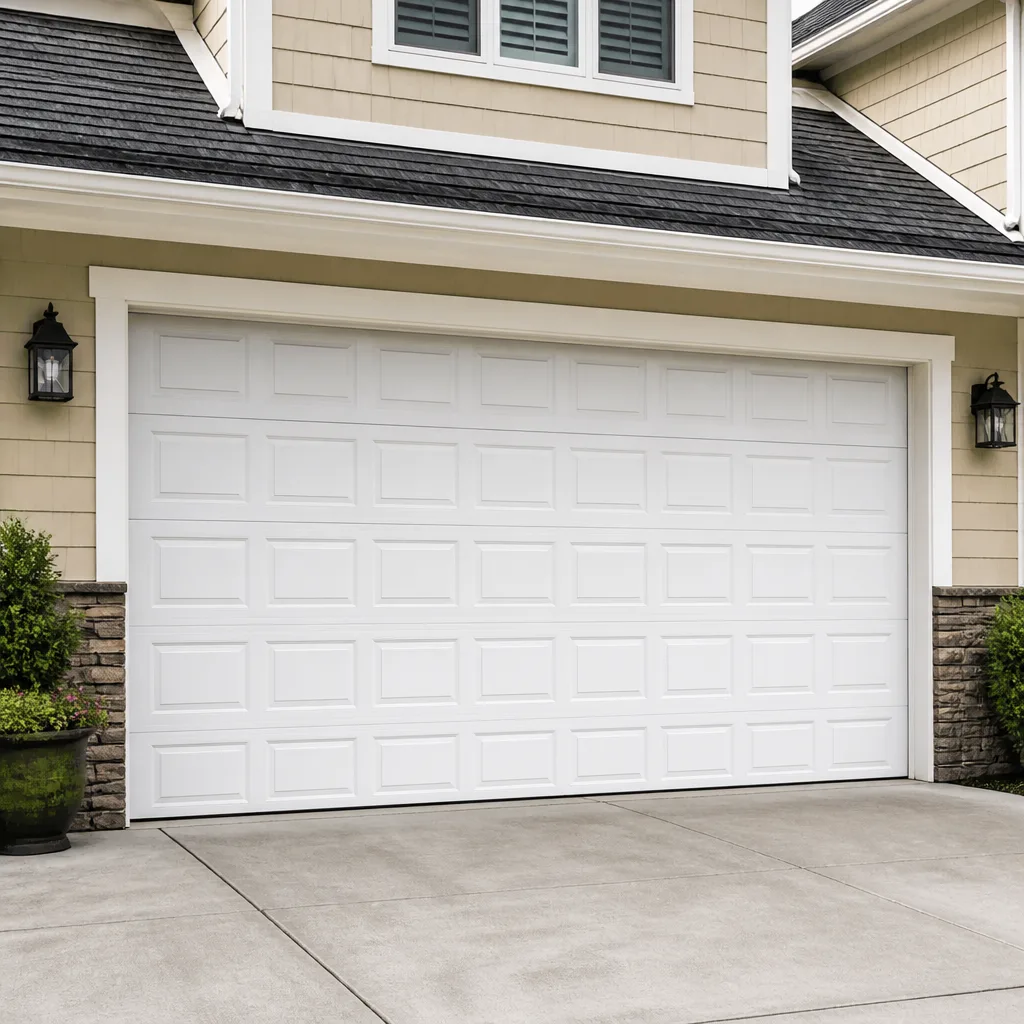 Raised-panel steel
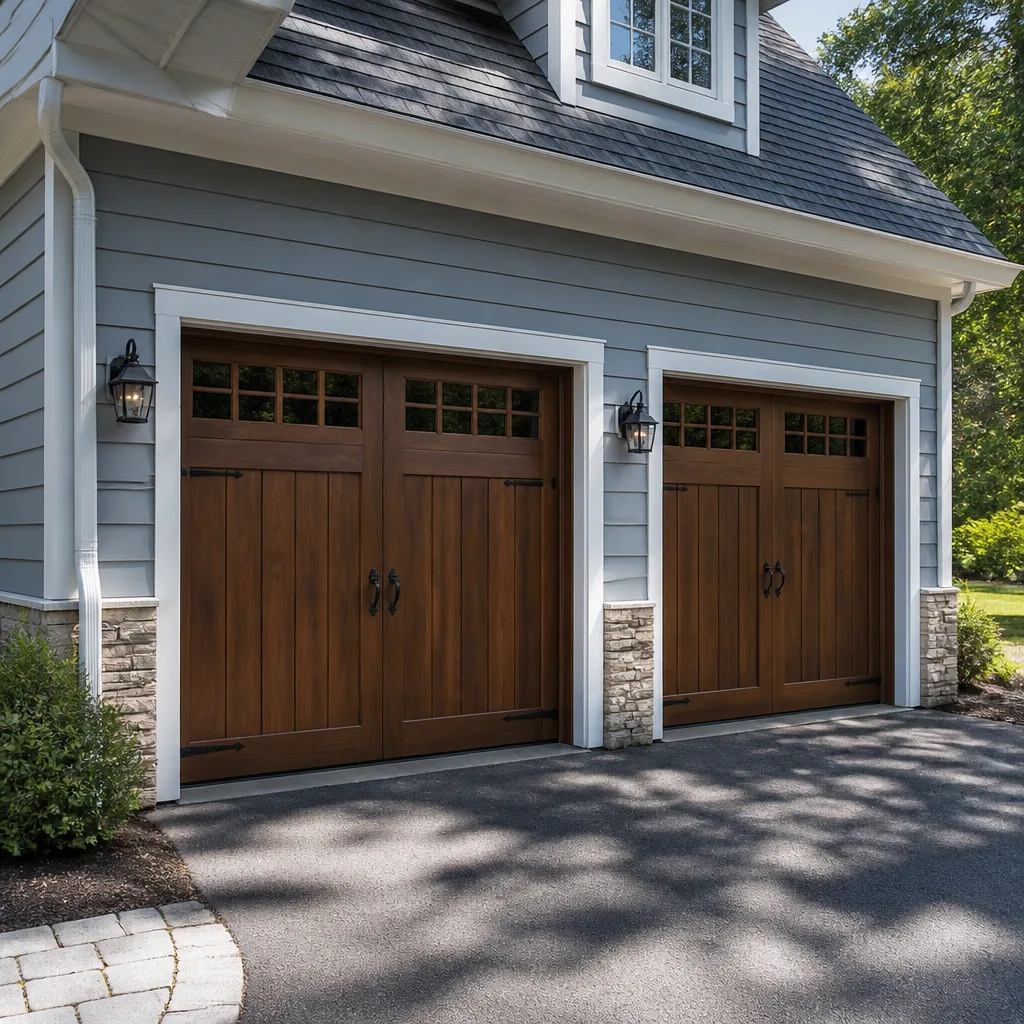 Carriage house
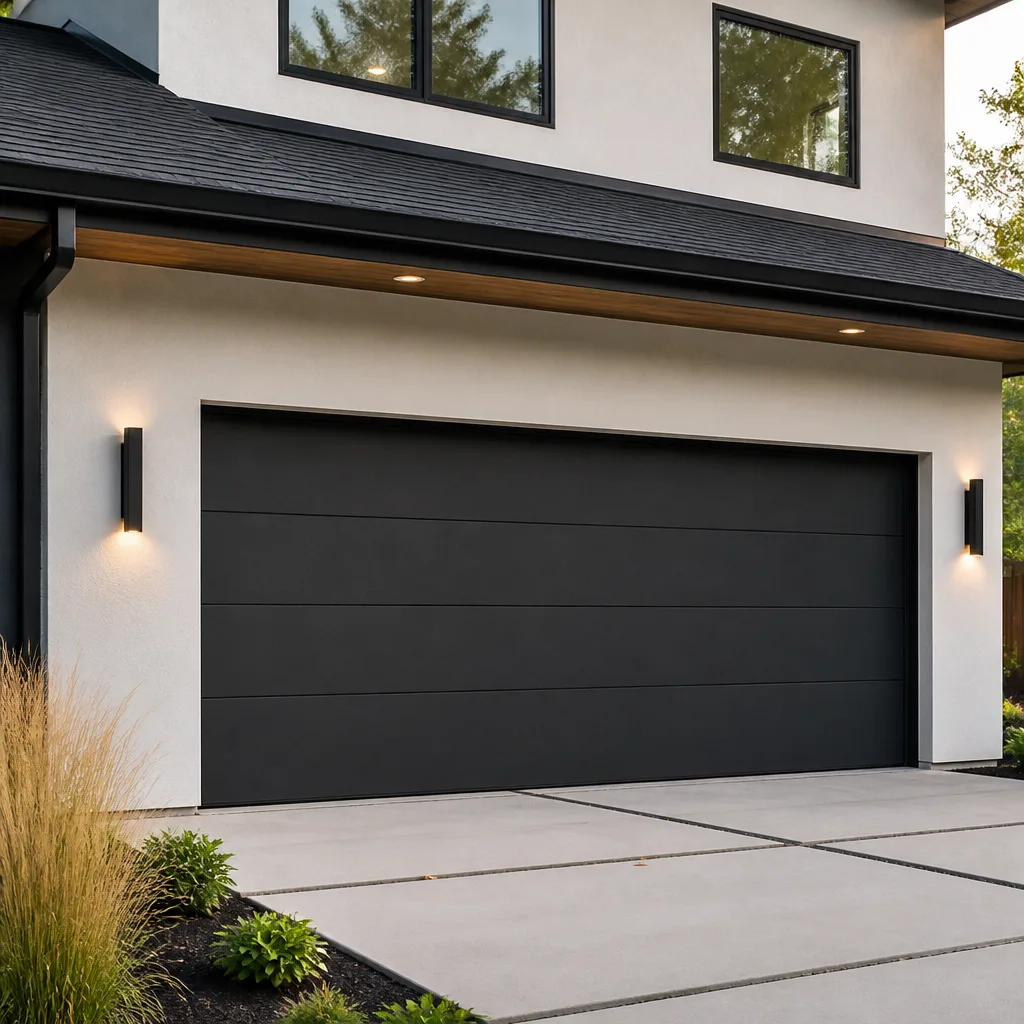 Modern flush
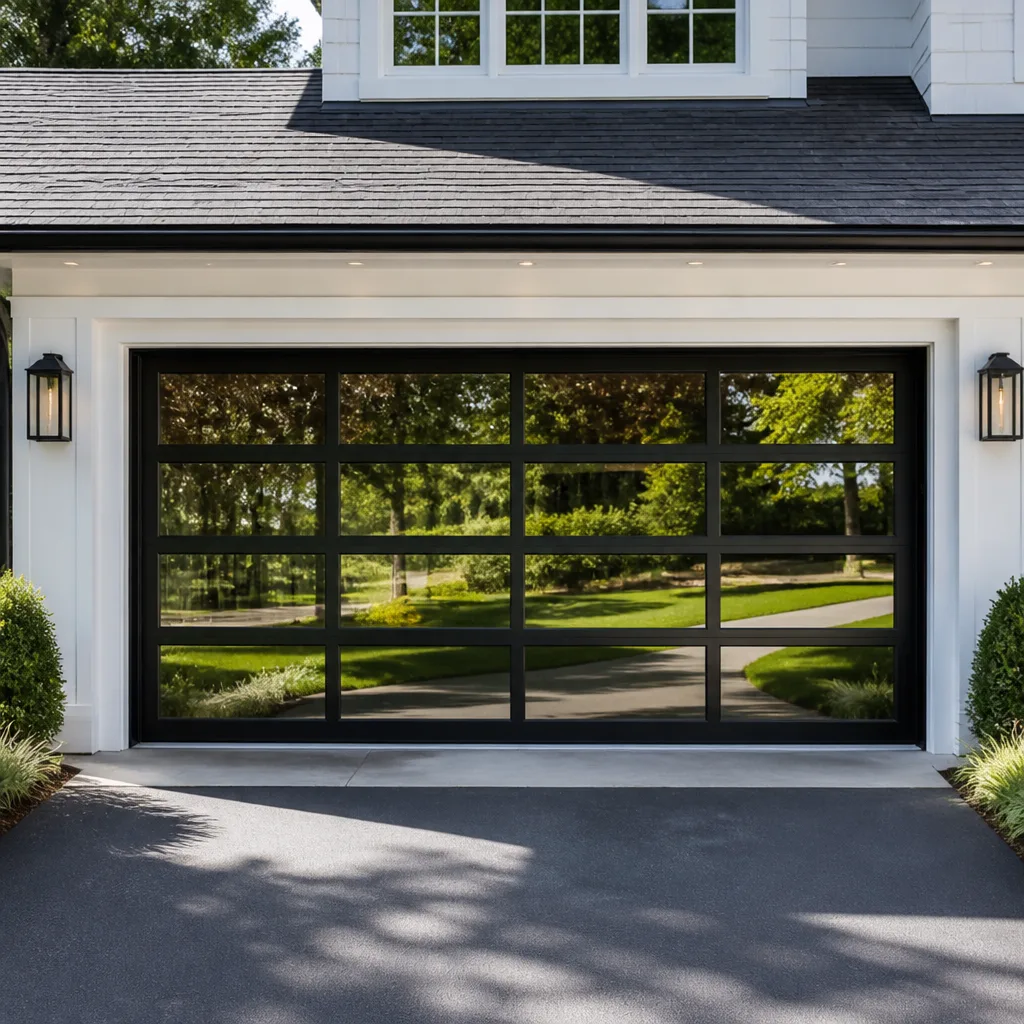 Full-view glass
 LiftMaster openers
 Chamberlain openers
Full 25-point door and opener safety check with every visit - springs, cables, rollers, tracks, and your LiftMaster or Chamberlain opener included
You get a price before we start. It does not change when the truck arrives.
Get your free estimateGarage Door Warning Signs: A Riverside Homeowner’s Reference Guide
Here’s a number that surprises most Riverside homeowners: roughly seven out of ten garage door service calls we respond to involve either a normal operating sound the homeowner misread as a problem, or a small issue that got expensive because it was ignored for six months too long. Very few calls land in the sensible middle. This guide draws a hard line between the three signs that mean stop using the door today, the signs that deserve a scheduled appointment, and the signs that are just your door doing its job in a Riverside summer. For seasonal garage door care in Riverside, see our year-round homeowner’s guide. By the time you finish reading, you’ll know exactly what to say on the phone so no one can sell you a repair you don’t need.
Styles & brands we work with
Quick Answer
The most urgent garage door warning signs are a broken torsion spring (you’ll hear a loud bang like a firecracker and see a visible gap in the spring above the door), a frayed or snapped lift cable, and a door that has come off its tracks. Any one of these means stop using the door immediately and call a professional, because the door can fall without warning. Noises that grind, squeak, or rattle usually indicate worn rollers, loose hardware, or a failing opener gear and can generally wait for a scheduled appointment. And some signs, like slow operation in extreme Riverside heat or a flickering opener light, are normal behavior that does not require a service call.
Table of Contents
- Stop-Using-the-Door Warning Signs
- Warning Signs That Can Wait for a Scheduled Appointment
- Signs That Are Actually Normal Operation
- Symptom-to-Cause Table: Matching the Noise to the Mechanical Problem
- The 30-Second Balance Test: Know Before You Call
- What Riverside Heat and Climate Do to Garage Door Hardware
- Common Mistakes to Avoid
- When to Call a Professional
- Frequently Asked Questions
- The Bottom Line
Stop-Using-the-Door Warning Signs
There are exactly three conditions that should make you stop pressing the opener button and leave the door alone until a technician arrives. We’re not being dramatic. Each of these means the door’s weight is no longer fully supported, and a sectional garage door can weigh between 130 and 400 pounds depending on size and material. When the support system fails, that weight comes down fast. Here’s what each of the three looks and sounds like.
1. A broken torsion spring
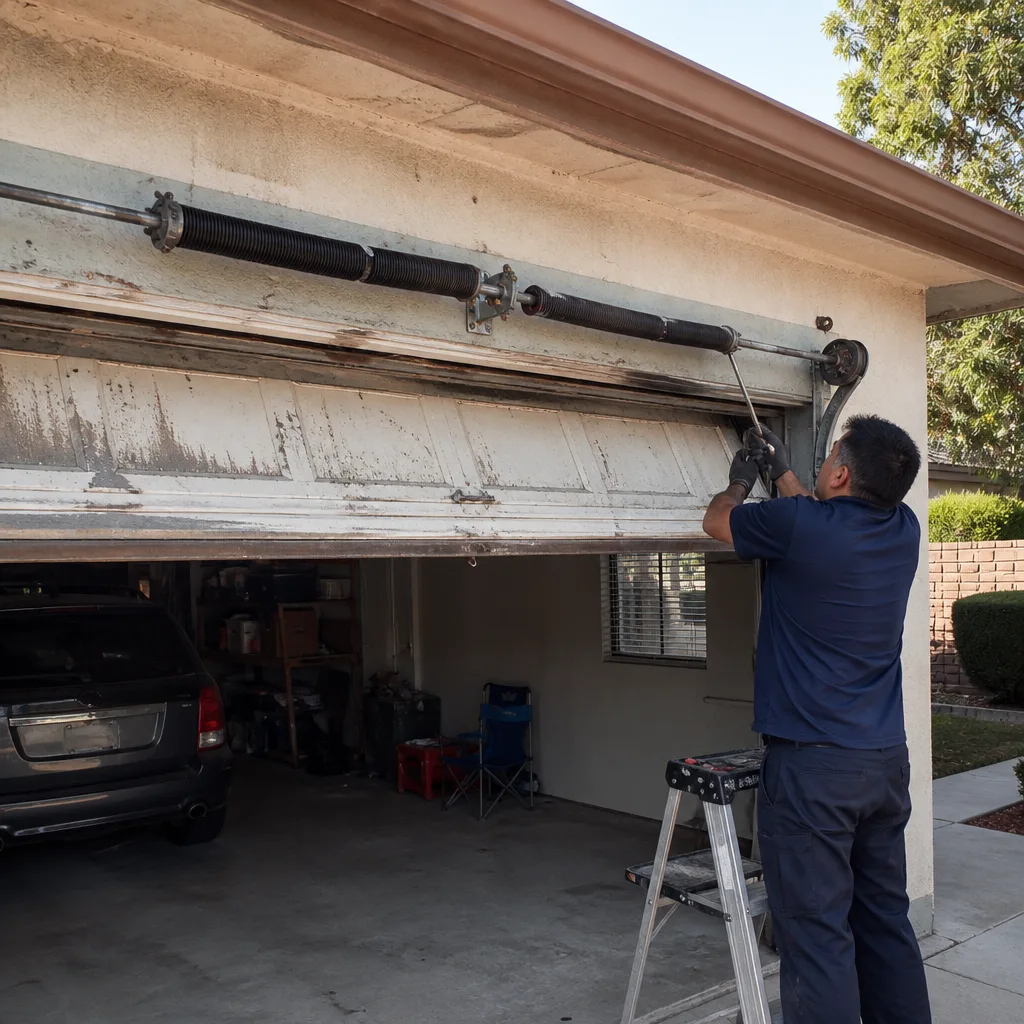
Torsion springs sit on a metal shaft directly above the closed door, and they do the actual lifting. The opener motor just guides the movement. When a torsion spring breaks, you will hear it. Homeowners describe the sound as a gunshot, a firecracker, or a heavy board snapping inside the garage. If you’re home when it happens, there will be no ambiguity. If you weren’t home and the opener now strains or refuses to lift the door, check the spring itself. A healthy torsion spring is one continuous coil. A broken one shows a visible gap, usually an inch or two wide, somewhere along its length. In Riverside garages we regularly see springs that have cycled enough times to fatigue the steel, and the break is almost always at that single point of highest torsion. This is not a repair you attempt yourself. Torsion springs are wound under enough tension to throw a wrench across a room or break a wrist. A garage door repair in Riverside that involves spring replacement is routine for a trained technician with the right winding bars, and genuinely dangerous for anyone else.
2. A frayed or snapped lift cable
Look at the cables on either side of the door, the ones that run from the bottom brackets up and around the drums near the top. They should look like clean steel rope. If you see individual wires poking out, rust discoloration concentrated at one spot, or an actual unraveling section, the cable is failing. A snapped cable leaves the door supported unevenly. Even with an intact spring on the other side, an unbalanced door can cock sideways in its tracks and jam, or worse, drop. Riverside’s dry air slows rust compared to coastal cities, but it doesn’t stop it, and cables that rub against a misaligned drum wear through from friction regardless of climate. If you see fraying, stop using the door and call.
3. The door has come off its tracks
This one is visually obvious. One or more rollers will be out of the metal track, the door will sit at a noticeable angle, and you may see a bent section of track near the point of derailment. A door off its tracks is an unstable, partially suspended weight. Do not try to push it back into place. Do not use the opener. The rollers under tension can pop loose with force, and the door can fall forward out of the opening. This is a same-day call, no question. We’ve walked into Riverside garages where a homeowner spent an afternoon trying to muscle a derailed door back onto its rollers and ended up with a bent panel that doubled the repair bill.
Warning Signs That Can Wait for a Scheduled Appointment
Most garage door problems fall into this category: real issues that will get worse and more expensive if ignored for a year, but that don’t threaten anyone’s safety today. These are the signs to note, describe accurately, and get on the calendar within a week or two.
Uneven door movement
Watch the door as it travels. A healthy door moves smoothly, with both sides rising and lowering at the same rate. If one side lags, pauses, or drops slightly ahead of the other, you have a balance problem. Sometimes that means one spring has lost tension and the other is carrying more than its share. Sometimes it means a roller has seized in its track or a cable drum has slipped on the shaft. Either way, the fix is usually measured in hours, not days. Left alone, the imbalance accelerates wear on every moving part until a spring or cable fails and the problem abruptly moves into the stop-using-the-door category.
The opener runs longer than it used to
A garage door opener has a predictable cycle time, usually around 12 to 15 seconds from fully closed to fully open, depending on the model and door height. If you’ve owned the home long enough to know the normal rhythm of the opener and you’ve noticed it running several seconds longer, something is making the motor work harder. Often that’s a spring that has weakened and is no longer counterbalancing the door’s weight properly, forcing the motor to grind through the lift. On a Chamberlain or Genie opener, the motor will do the extra work for a while, then the plastic drive gear inside will strip. That’s a $150 to $250 opener gear repair compared to a $120 to $200 spring adjustment, and by the time the gear strips, most technicians will also recommend the spring work. Catch the slow-down early and you’ll likely pay less.
Visible rust on hardware
Rust on hinges, brackets, or the bottom weather seal retainer is a slow-motion problem. Riverside’s low humidity means surface rust on hardware is rarely as aggressive as what you’d see in a beach city, but it does indicate that the zinc coating on the hardware has worn thin. Surface rust on a hinge is cosmetic until it isn’t. Rust on a torsion spring is more serious, because the spring coils flex microscopically on every cycle and rust creates stress points. A rusted spring is a spring that will eventually snap. If you can see rust forming on the springs themselves, schedule a professional inspection and plan to replace them proactively before that gunshot moment.
Signs That Are Actually Normal Operation
We get called out for these routinely, and the honest answer is usually: your door is fine, no charge for the trip. Here’s how to identify these non-problems before you pick up the phone, and how to describe them to a technician without getting upsold into a repair your door doesn’t need.
Slow operation in Riverside summer heat
Garage door openers with DC motors have thermal sensors that trigger a self-protecting slowdown when the motor gets hot. A Riverside garage in August can hold 110 degrees or more, and an opener mounted near the ceiling sits in the hottest air in the room. If your door moves noticeably slower during a heat wave and returns to normal speed at night or in the morning, that’s the motor’s thermal protection doing exactly what it was designed to do. You don’t need a new opener. You might benefit from better garage ventilation, but the opener itself is behaving normally. In our experience with both LiftMaster and Genie units in the Inland Empire, this is one of the most commonly misdiagnosed “problems” in the phone book of garage door complaints.
The opener light flickers while the door moves
This scares people, and it’s almost always nothing. Older openers run the light bulb off the same circuit as the motor, and when the motor draws current, the bulb dims slightly. LED bulbs, which nearly everyone has switched to, are especially sensitive to voltage fluctuation and will flicker visibly. Try a different bulb before you call anyone. If the flickering continues with a different bulb and the opener itself is running smoothly, you can mention it at your next scheduled maintenance, but the door is safe to use.
A brief pause or slow-down near the top or bottom of travel
Modern openers are programmed with soft-start and soft-stop logic. The motor ramps up at the start and eases off at the end of travel to reduce stress on the door and the opener gears. That slight hesitation two seconds before the door fully closes or opens is the motor being gentle, not a sign of failure. Compare what you’re seeing to the door’s behavior mid-cycle. If the middle of the travel is smooth and normal, the end-of-travel slow-down is intentional.
Symptom-to-Cause Table: Matching the Noise to the Mechanical Problem
When you call a garage door company in Riverside, the dispatcher will ask you to describe what you’re hearing. That description determines which parts go on the truck. Here’s a table that maps the most common noises to their most likely mechanical causes. Use this to describe your problem accurately. An accurate description means the technician arrives with the right parts on the first trip.
| What You Hear | Where It Comes From | Most Likely Cause | Urgency |
|---|---|---|---|
| Loud bang, like a firecracker or gunshot | Above the door, inside the garage | Broken torsion spring | Stop using the door immediately |
| Metal-on-metal grinding | Along the tracks or near the rollers | Worn rollers with failed bearings, or track misalignment | Schedule soon |
| Rumbling or shuddering during travel | Entire door assembly | Loose fasteners, worn hinges, or an unbalanced door | Schedule soon |
| Squealing or high-pitched whine | Opener motor housing | Worn drive gear or belt tension issue | Schedule soon if persistent |
| Rattling, light metallic sound | Door panels or track | Loose nuts and bolts, or rollers nearing end of life | Schedule at your convenience |
| Thumping once per cycle | One specific point along the track | Bent track section or a flat spot on a roller wheel | Schedule soon |
| Humming without movement | Opener motor runs but door doesn’t move | Stripped drive gear, broken coupling, or disconnected door | Stop using the opener |
One note that saves people money: a grinding noise from the opener is not automatically a dead opener. Many Chamberlain and Genie openers use a nylon drive gear that’s designed to strip before the more expensive motor components fail. That gear costs a few dollars as a part and takes about 20 minutes for a technician to replace. The same symptom can also mean a $400 opener replacement if the gear has been left grinding long enough to damage the worm drive and motor shaft. The difference is often just how quickly you call.
The 30-Second Balance Test: Know Before You Call
There’s a simple test any homeowner can do to determine whether their springs need attention, and it requires no tools and no disassembly. The idea is to see whether the door can hold itself up at the halfway point without help from the opener. Here’s the process.
- Close the door completely. Pull the red emergency release cord that hangs from the opener rail. This disconnects the door from the motor. The door is now operating manually.
- Lift the door by hand to waist height, about the midpoint of its travel. Use both hands, one on each side of the door, and lift smoothly. Do not jerk it.
- Let go. A properly balanced door will hold its position at the midpoint or move only an inch or two in either direction before stopping. The springs are doing their job.
- Observe. If the door drops toward the floor, the springs have lost tension and are under-lifting. If the door rises toward the ceiling, the springs are over-tightened or the door is too light for the spring setup. Either way, the spring assembly needs adjustment.
- Reconnect the door. Pull the red cord again while pressing the opener button, or run the opener until the traveler reconnects with the door on its own, depending on your opener model.
This test tells you something a phone call can’t. When you know your door’s balance before you schedule service, you can tell the technician exactly what you observed. That’s useful information, and it sets the tone that you’re an informed customer. We’ve never met a technician who didn’t prefer working with someone who understands the basics. It also protects you from the classic upsell where a simple spring adjustment gets quoted as a full spring replacement because the homeowner didn’t know the difference. Both are legitimate services, but one costs a fraction of the other.
What Riverside Heat and Climate Do to Garage Door Hardware
Riverside has a specific climate profile, and it wears on garage door hardware in specific ways. Understanding this helps you anticipate problems before they become repair calls. The Inland Empire’s summer temperatures regularly exceed 100 degrees, and that heat does two things to your garage door system. First, it accelerates the breakdown of plastic components inside opener units, particularly the drive gears and circuit board solder joints. Second, the thermal expansion and contraction of metal panels and tracks through Riverside’s wide daily temperature swings, warm days and much cooler nights, loosens fasteners over time. That’s why a door that was smooth in June can develop a rattle by September.
The good news is that Riverside’s dry heat is far gentler on springs and cables than the salt air in coastal Southern California cities. Torsion springs in Riverside garages typically last 8 to 12 years, where a beach-adjacent home might see failures at 5 to 7 years. The dry air also means rust on track hardware is rarely structural. It’s cosmetic until it isn’t, but it develops slowly. You have time to address it.
What Riverside does have, especially in neighborhoods with older homes like those around Magnolia Center and Wood Streets, is a lot of original garage door hardware still in service. Doors installed in the 1980s and 1990s are common. A door that age is still serviceable with the right maintenance, but the opener driving it is likely on borrowed time, and the springs are likely original if the previous owner didn’t replace them. If you don’t know when your springs were last changed, the balance test in the previous section is the fastest way to find out where you stand.
Common Mistakes to Avoid
- Ignoring the gunshot. That explosive sound from the garage is a torsion spring breaking, and the most expensive outcome is not the spring replacement. It’s the damage to the door, opener, and sometimes a parked car when a second spring fails and the door comes down uncontrolled. When you hear it, stop using the door.
- Spraying lubricant on a noisy door and calling it fixed. Lubricant quiets symptoms temporarily. It doesn’t fix a worn roller with a collapsed bearing or a misaligned track section. The noise will return, and the underlying wear will have progressed.
- Dismissing a slow-moving opener as old age. A sluggish mid-cycle operation usually means the springs are no longer doing their share, and the motor is compensating. Let it go and you’ll be replacing the opener’s drive gear or the opener itself.
- Concluding that any noise from the opener area means a new opener. The most common opener noise, a grinding sound, is often a replacement gear that costs far less than a new unit. Get a diagnosis before you authorize replacement.
- Attempting a torsion spring repair because a YouTube video made it look manageable. Torsion springs store enough energy to cause serious injury or death when mishandled. This is the single job in the garage door trade that professionals uniformly agree belongs only to someone with the right tools and training. We say this as technicians who do the work ourselves: some things are not worth the hospital bill.
- Paying for a full door replacement when a single panel would have resolved the issue. Depending on your door’s age and brand, a replacement panel may be a legitimate option. Some companies jump straight to a new door quote because it’s a bigger sale. Ask whether a panel replacement is possible before you accept the full-door quote.
- Assuming a Riverside heat-related slowdown is a failing opener. As covered earlier, DC motors slow themselves when they run hot. A thermal slowdown in August is normal. If the opener works fine in the evening, the motor is protecting itself, not dying.
When to Call a Professional
Call a professional the moment you experience any of the three stop-using-the-door conditions: a broken torsion spring, a frayed or snapped cable, or a door off its tracks. All three represent uncontrolled weight, and all three are same-day service situations. Call a professional within a week or two for uneven movement, unusually long opener run times, or visible rust on springs or cables. And if you’ve done the balance test and the door dropped or rose at the midpoint, schedule a spring adjustment before it becomes a spring replacement. Honest Garage Door Service offers free estimates in Riverside. Call (833) 620-3811 and tell us what you’re seeing and hearing. We’ll give you a straight answer about what it is, what it costs to fix, and whether it can wait. We work on Chamberlain, Genie, Clopay, and Amarr systems, along with the other major garage door and opener brands, and we’d rather tell you your door is fine than sell you a repair you don’t need. Our Honest Garage Door Service home page explains how we operate.
For specific service details, see our pages on garage door opener repair in Riverside and garage door installation in Riverside, which cover the full scope of what we can diagnose and fix. The name on the truck is a promise, not a tagline. Here’s what failed, here’s why, here’s what it takes to fix it.
Frequently Asked Questions
You’ll usually hear a loud bang from the garage when it happens, and then the opener will either refuse to lift the door or strain badly when you try. Look at the spring mounted above the closed door and you’ll see a visible gap in the coil where the break occurred. If you see that gap, stop using the door and call for service. A broken spring means the door’s full weight is no longer counterbalanced, and the opener is not designed to lift it alone. Call (833) 620-3811 and we’ll walk you through what you’re looking at before we send anyone out.
Most noise problems in Riverside garages come down to worn rollers, loose hinges, or a dry track, and the typical repair runs between $85 and $180 depending on how many rollers need replacing and whether any track sections need alignment. A grinding noise from the opener itself is usually a stripped drive gear, which costs $150 to $250 to replace on most Chamberlain and Genie models. A full opener replacement is more expensive, and we’ll only recommend it if the motor itself has failed. Every quote we give is agreed before any work starts.
Yes, and that’s exactly why a broken spring is a stop-using-the-door situation. The spring counterbalances the door’s weight, and without it, the door can drop with enough force to injure someone or damage whatever is underneath. In a worst case, a second spring or cable fails under the unbalanced load and the door comes down entirely. Don’t use the door, don’t try to manually lift it, and don’t stand under it. A professional with the correct winding bars will replace the spring safely.
That’s the opener’s soft-start and soft-stop programming doing exactly what it’s designed to do. Modern openers ramp motor speed up at the beginning of travel and ease off before the door reaches the fully open or closed position to reduce mechanical stress. If the door moves smoothly and consistently through the middle of its travel, the slow ends are normal operation, not a fault. Only worry about a slowdown that happens mid-cycle, which points to spring or motor strain.
Yes, and mostly in a specific way. Openers with DC motors include thermal protection, and when a Riverside garage interior climbs above 100 degrees, the motor will intentionally slow down to protect its components. A door that moves slower on a hot afternoon and returns to normal in the evening or at night is working properly. You don’t need a new opener. If the slowdown persists regardless of temperature, that’s a different issue worth a professional look.
The deciding factors are the condition of the door panels, the age of the spring system, and whether the door itself is square and balanced. A door with solid panels and a recent spring replacement is usually worth repairing, often for a fraction of a new door’s cost. A door with rusted-through panels, failing springs, and a sagging frame is probably past the point where repairs make financial sense. We’re happy to walk through the condition of your specific door and give you both options. If a less expensive repair will restore safe, reliable operation, that’s what we’ll recommend.
The Bottom Line
Garage door warning signs fall into three clear categories, and knowing which category you’re in is the difference between a $150 maintenance job and a $900 emergency, or between a necessary call and an unnecessary one. Stop using the door immediately for a broken spring, a frayed cable, or a derailed door. Schedule an appointment within a couple of weeks for uneven movement, longer opener run times, or rust on hardware. And save yourself the phone call entirely for heat-related slowdowns on a Riverside summer afternoon, flickering opener lights, and soft-stop behavior at the ends of travel. Do the 30-second balance test, describe your symptoms accurately, and call (833) 620-3811 with what you know. We’ll take it from there and tell you the truth about what needs fixing and what doesn’t.
Written by the team at Honest Garage Door Service, serving Riverside since 2015. Explore more guides & resources on our blog.
See the difference
 Before
 After
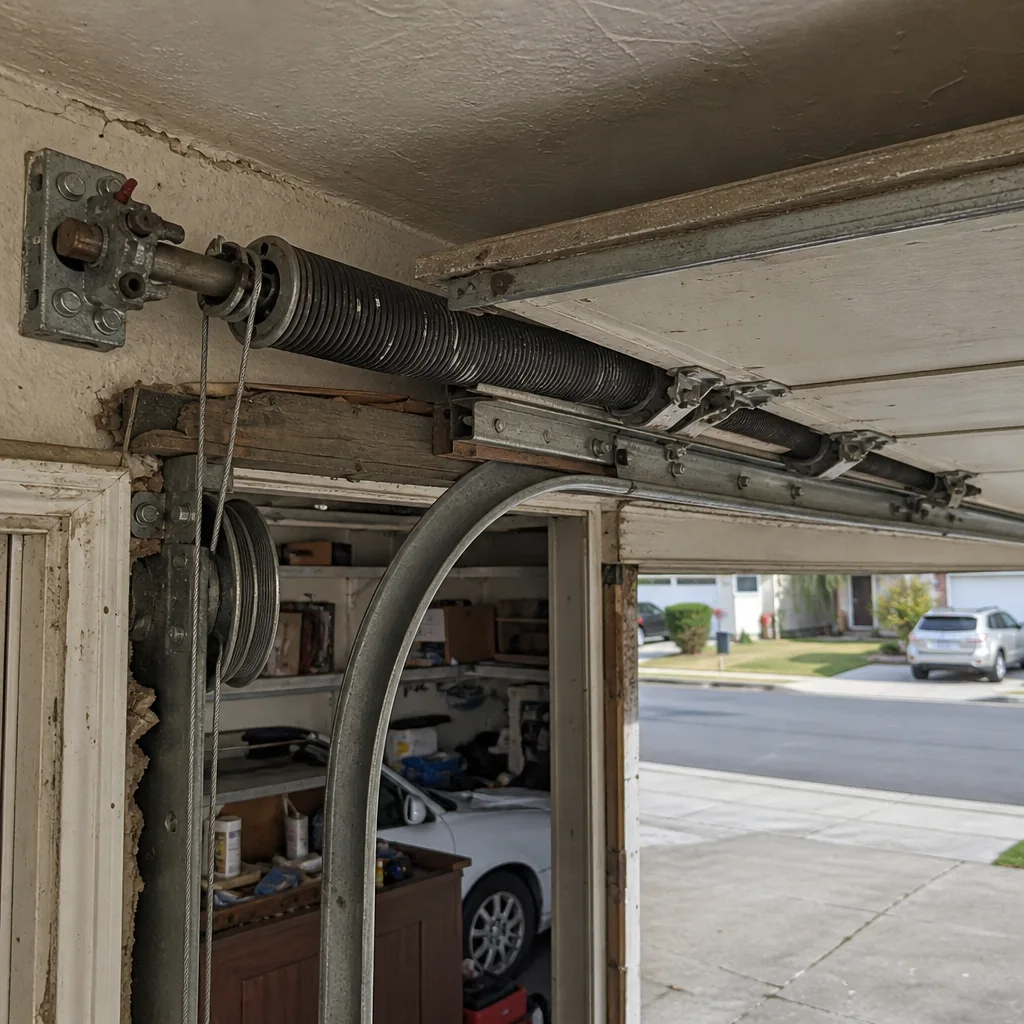 Before
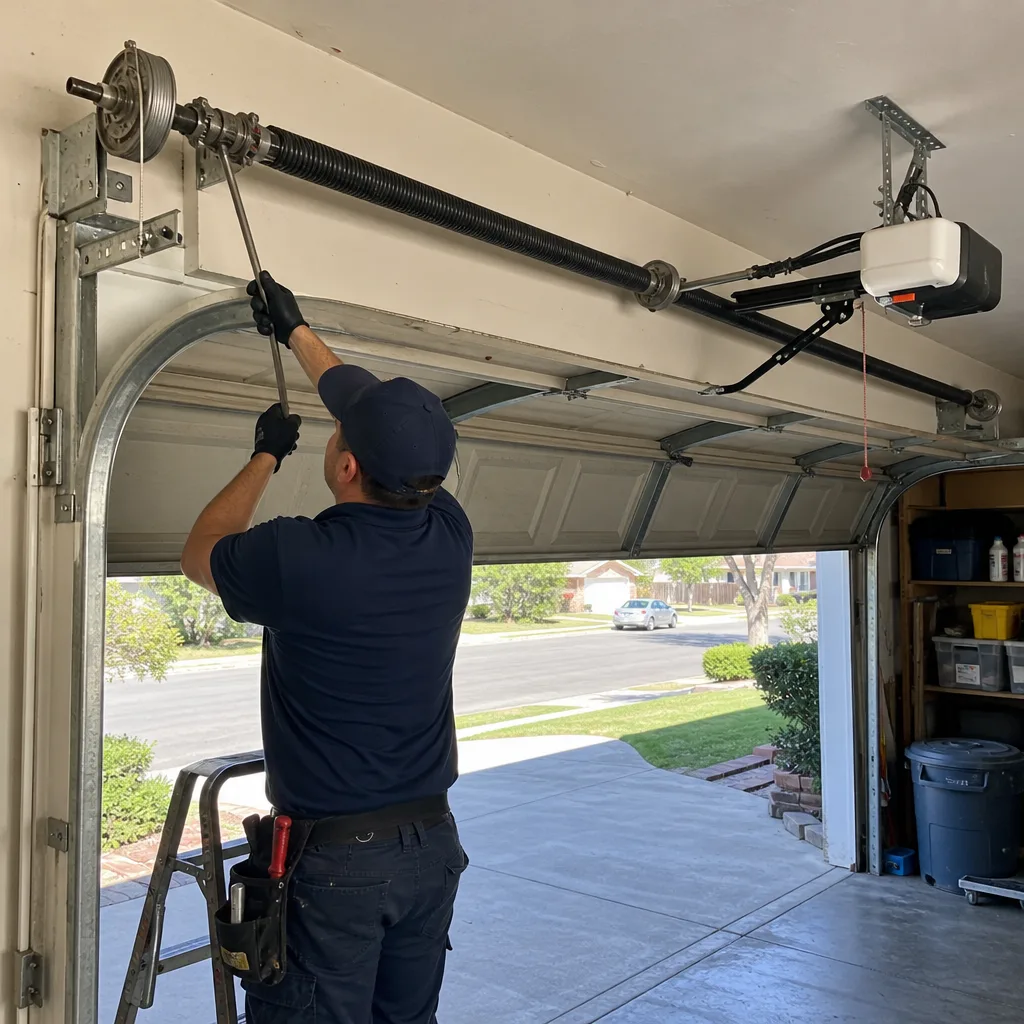 After
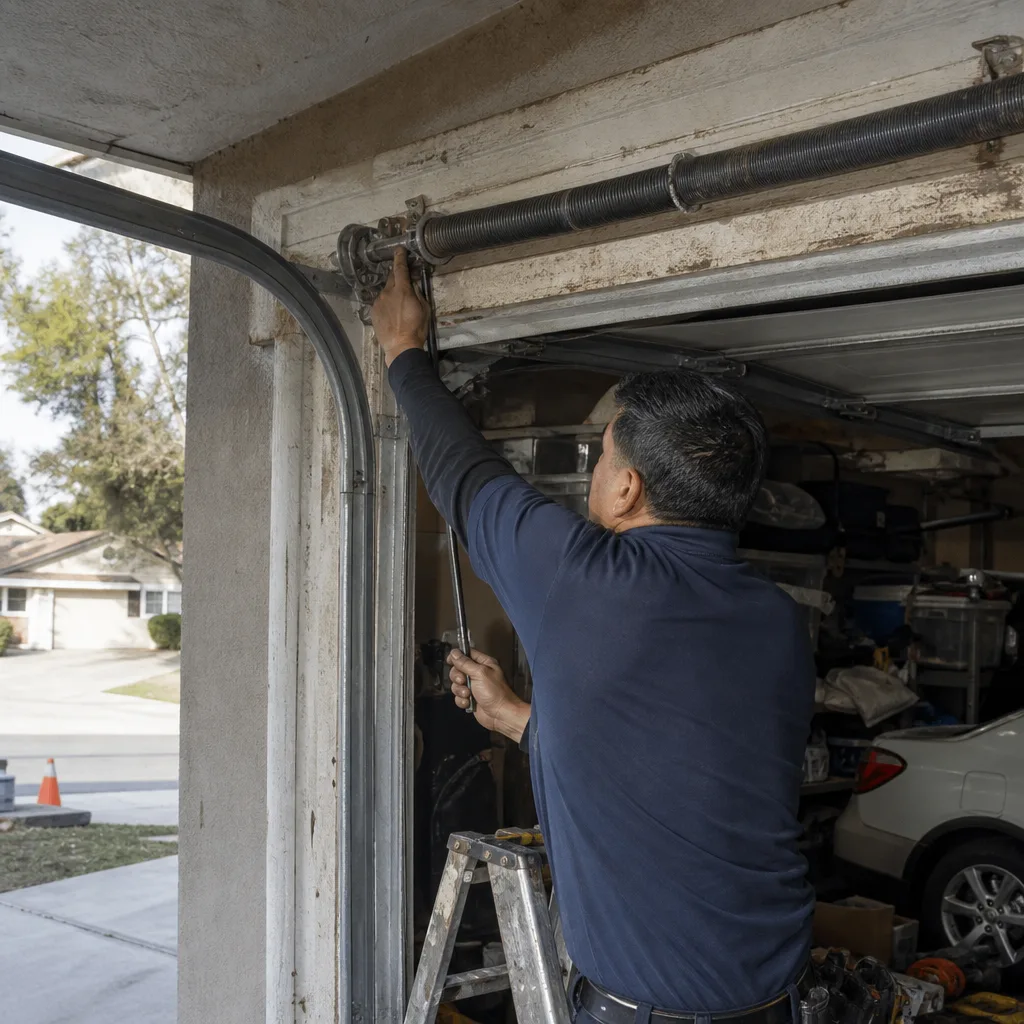 Before
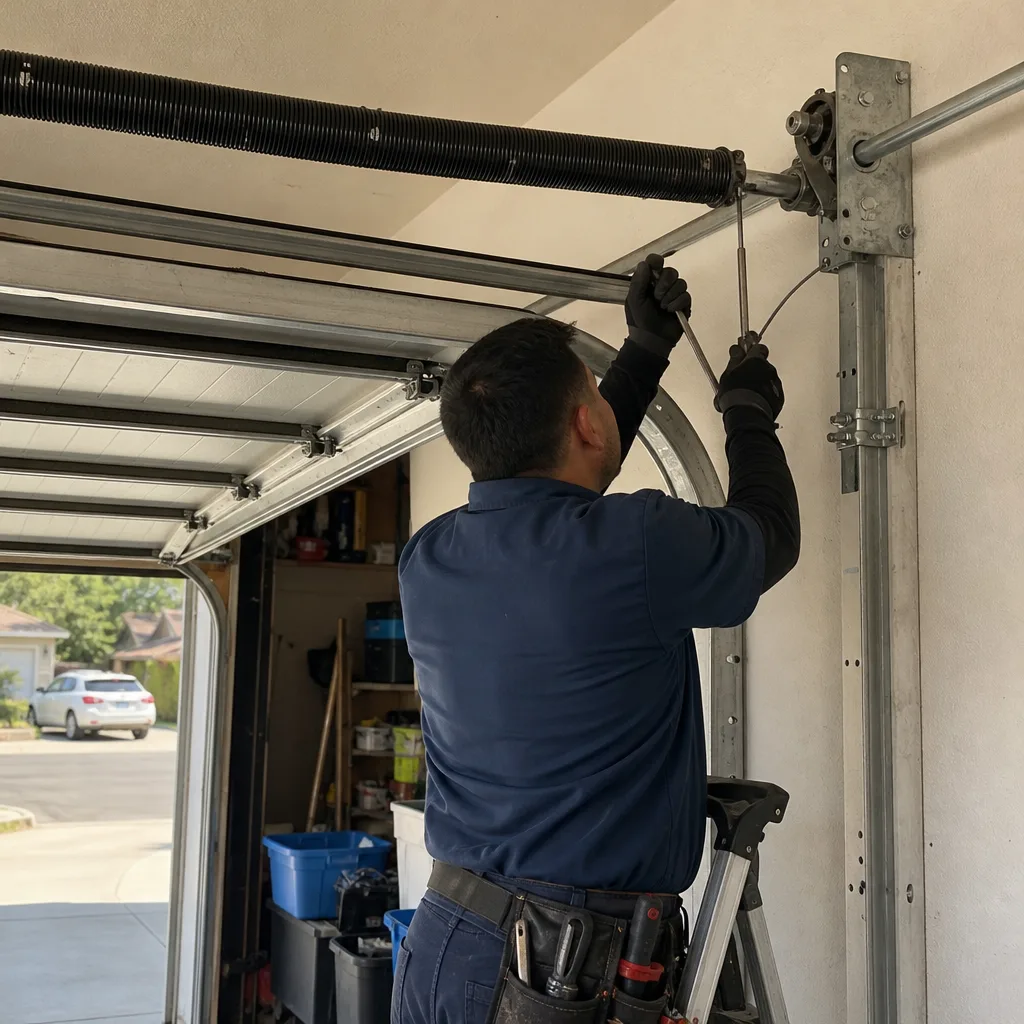 After