
Last updated October 30, 2026
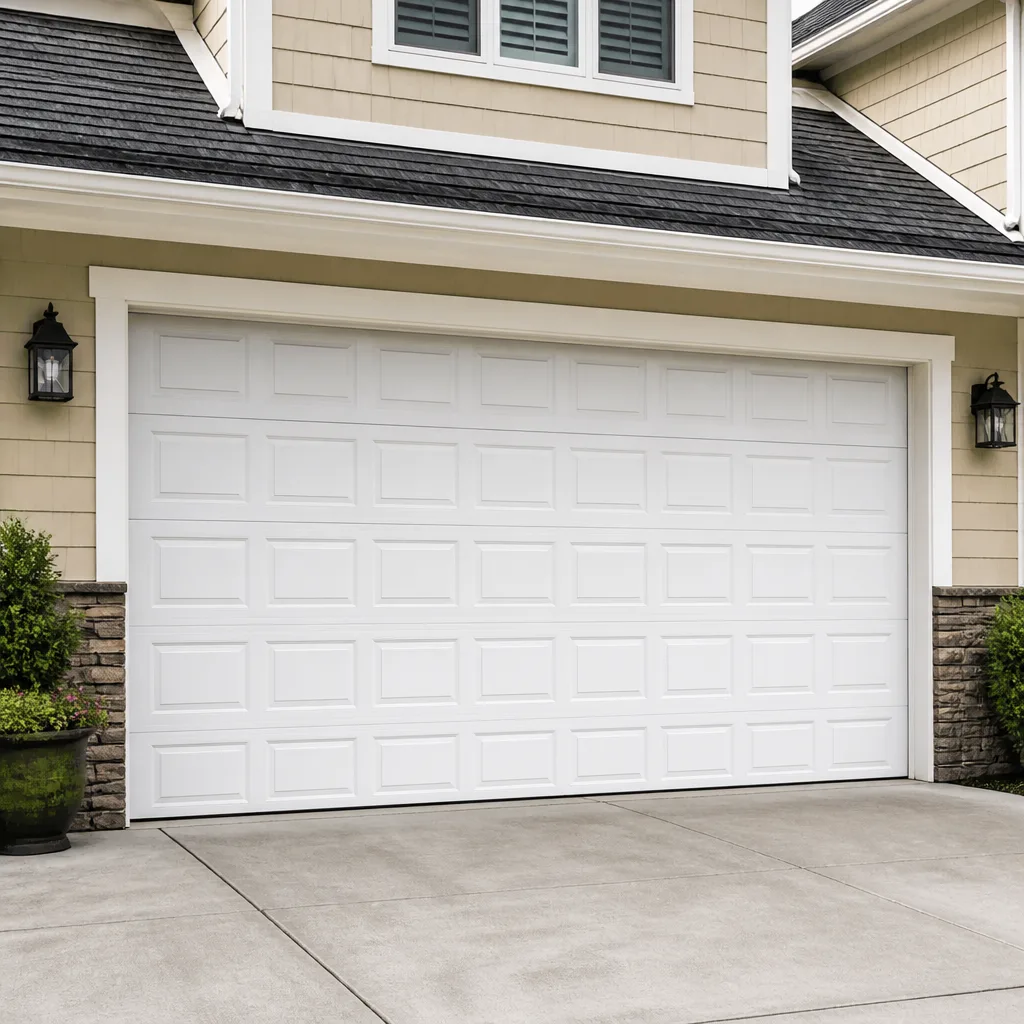 Raised-panel steel
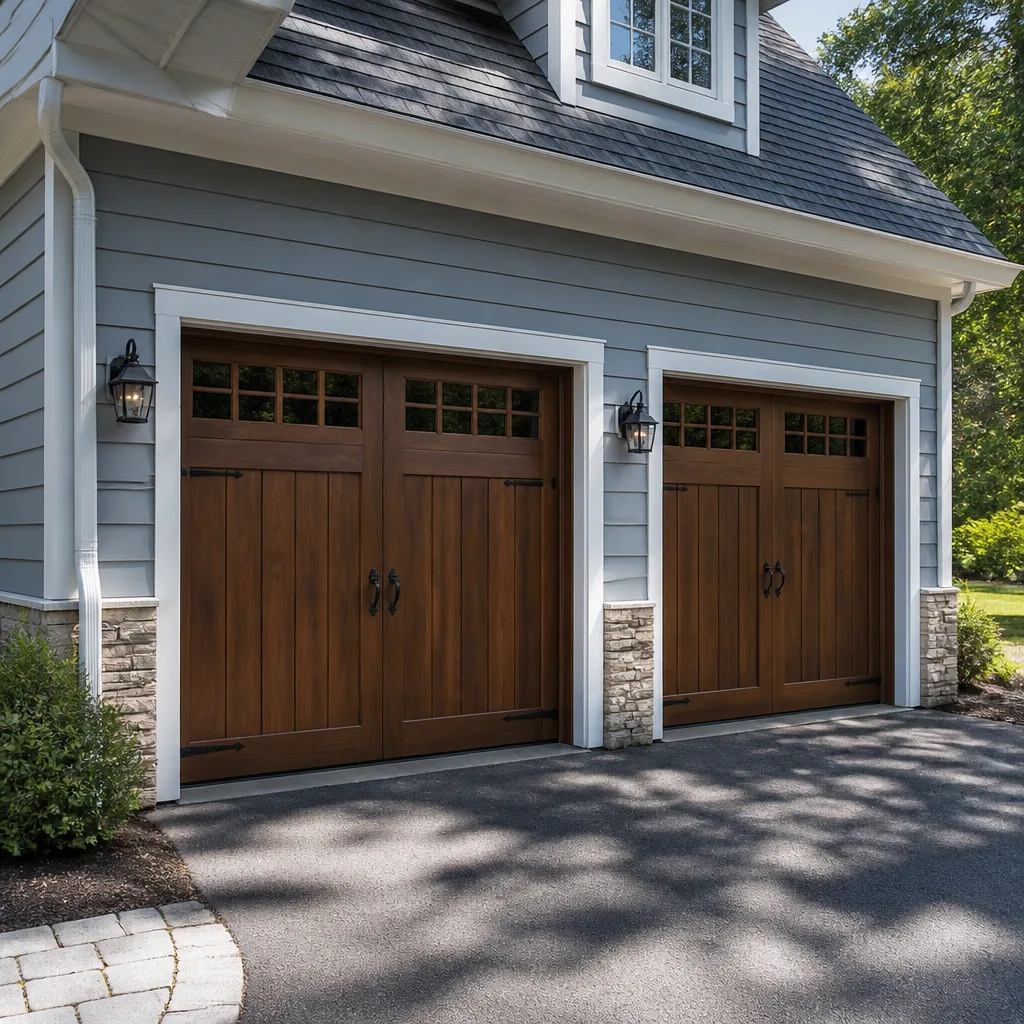 Carriage house
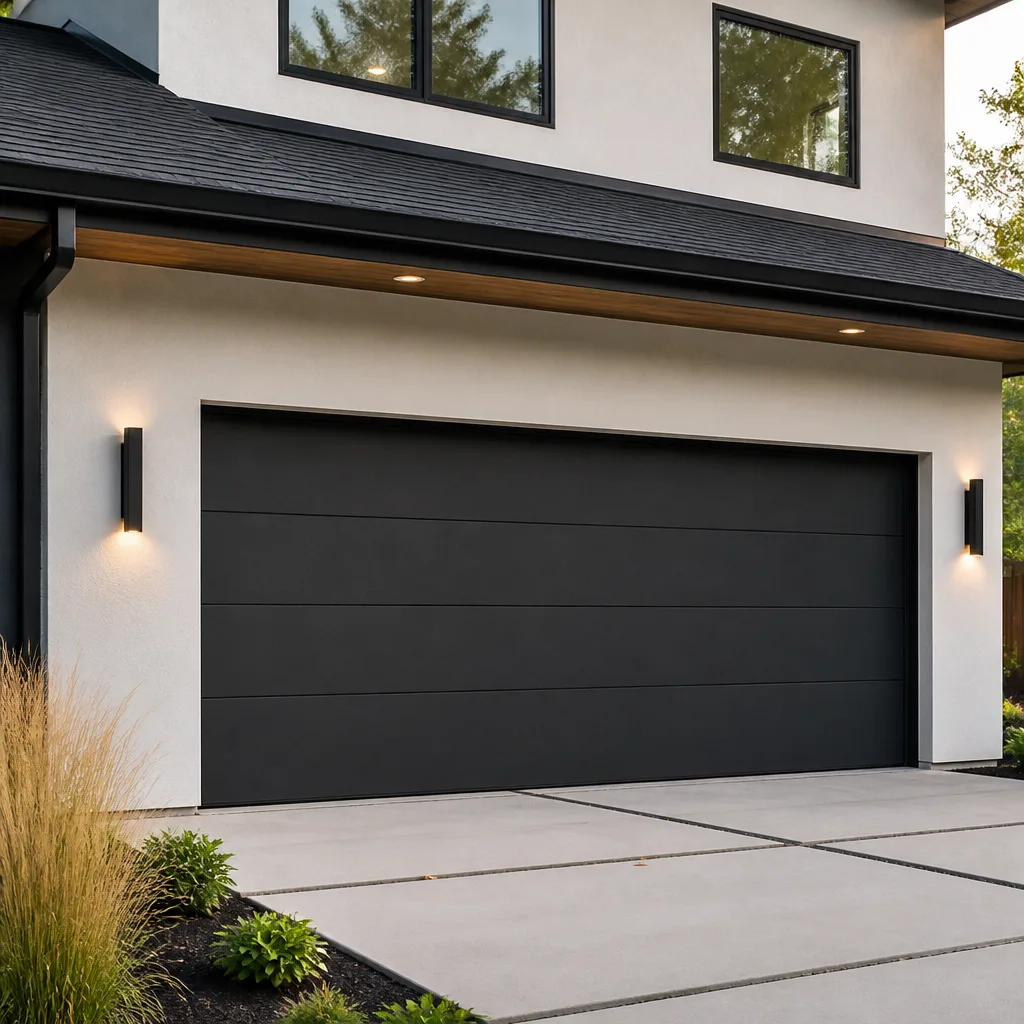 Modern flush
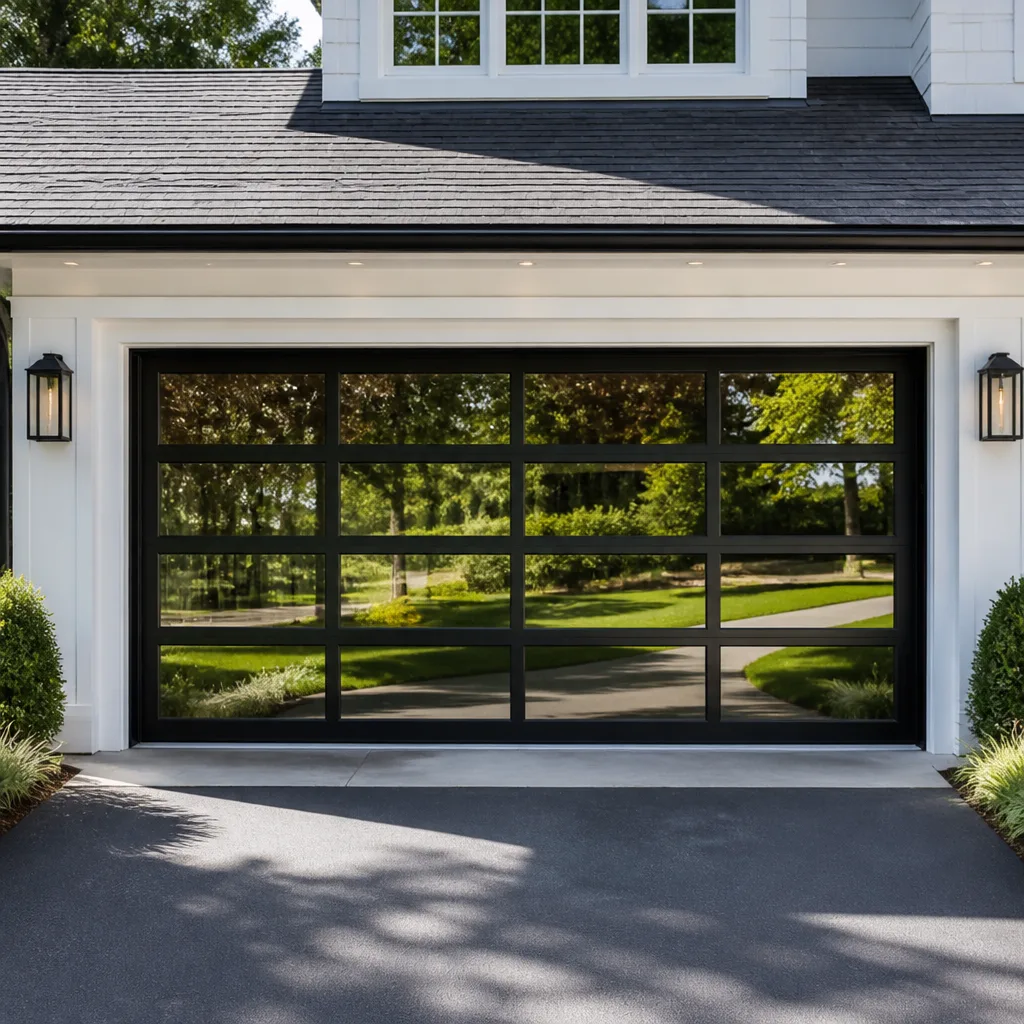 Full-view glass
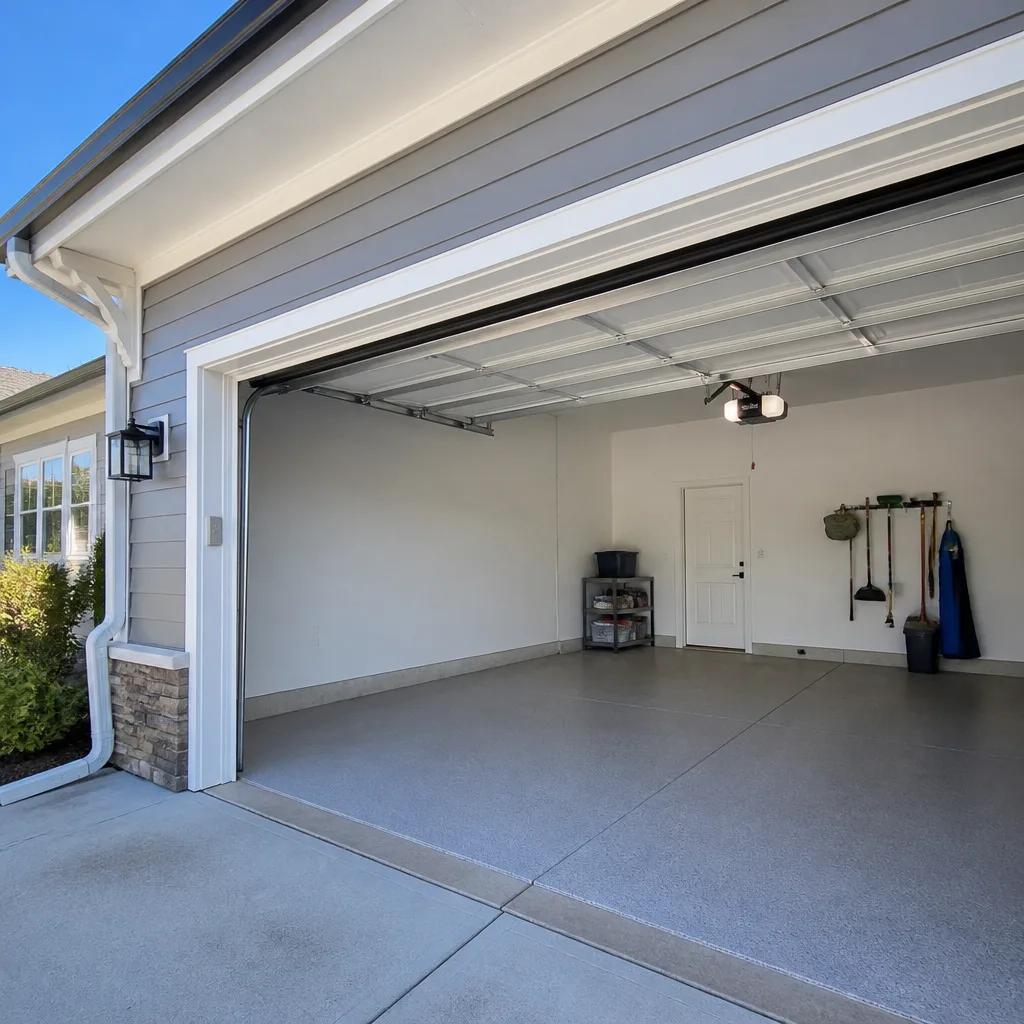 LiftMaster openers
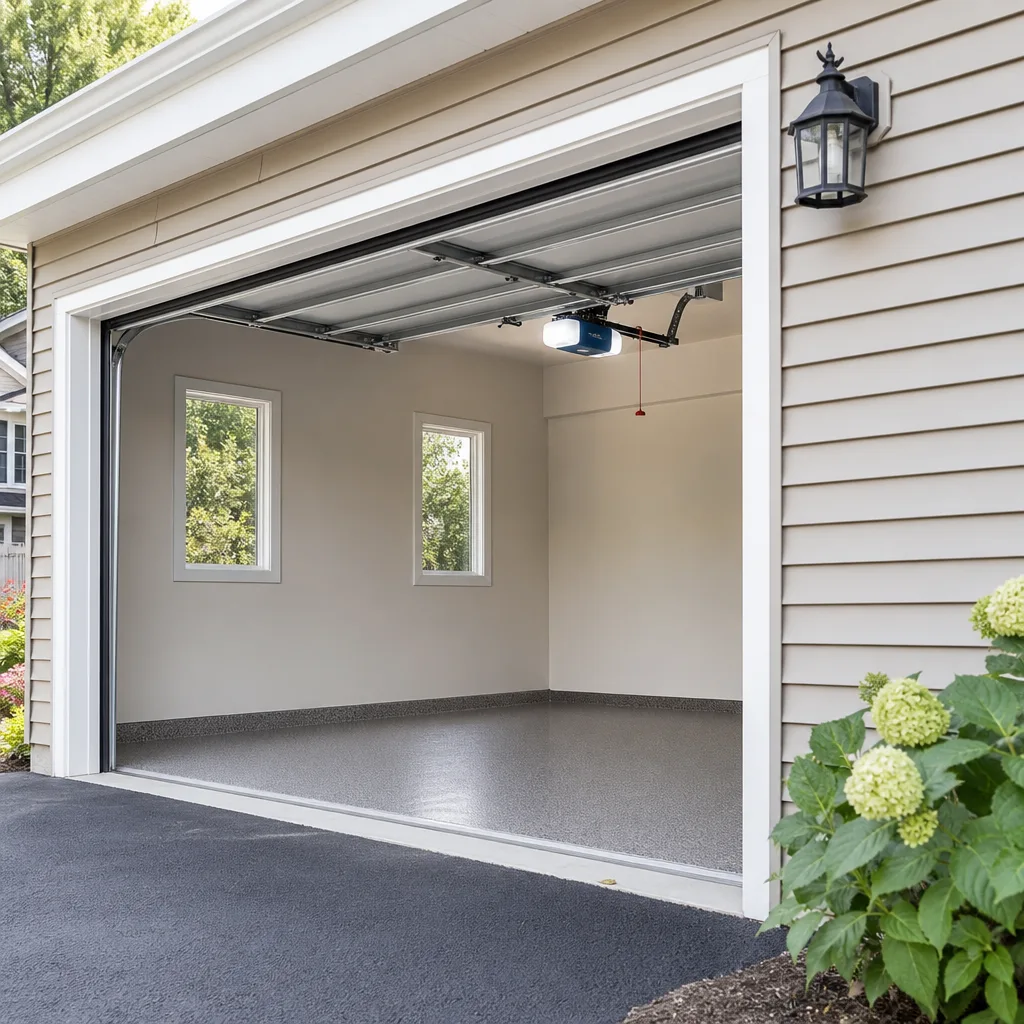 Chamberlain openers
Full 25-point door and opener safety check with every visit - springs, cables, rollers, tracks, and your LiftMaster or Chamberlain opener included
You get a price before we start. It does not change when the truck arrives.
Get your free estimateGarage Door Repair Troubleshooting: Common Problems and How to Fix Them
A garage door that reverses before hitting the floor is not a broken motor. It’s almost always a misaligned safety sensor that takes about 90 seconds to fix. Technicians who don’t tell you that upfront are not fixing your door; they’re billing you for a problem they haven’t diagnosed. This guide maps every common garage door complaint to its actual cause, not the most profitable one. You’ll learn how to read the symptoms, identify which part is actually failing, fix the safe stuff yourself, and know exactly when to pick up the phone. We’ve been handling our Garage Door Repair services in Riverside for years, and we’ve written this the way we’d explain it standing in your driveway.
Styles & brands we work with
Quick Answer
Most garage door problems trace to one of five components: the safety sensors (misalignment or dirt), the springs (broken or worn out), the cables (frayed or slipped), the tracks and rollers (dirt, wear, or misalignment), or the opener (limit settings, force settings, or a failed logic board). Start by identifying the symptom, match it to the component below, and you’ll know within minutes whether you’re looking at a free fix, a homeowner-grade repair, or a call to a professional in Riverside. For Garage Door Warning Signs: A Riverside Homeowner’s Reference Guide, see our dedicated breakdown.
Table of Contents
- Symptom-to-Cause: What Your Door Is Telling You
- The Door vs. The Opener: Two Different Problems
- Safety Sensor Problems: The 90-Second Fix
- Springs, Cables, and Other Genuine Dangers
- Grinding, Squealing, and Other Noises Explained
- How to Test Limit Switches and Force Settings
- Red Flags a Technician Is Misdiagnosing
- Common Mistakes to Avoid
- When to Call a Professional
- Frequently Asked Questions
- The Bottom Line
Symptom-to-Cause: What Your Door Is Telling You
Garage doors don’t fail randomly. They fail deterministically. A given symptom points to a specific component with remarkable consistency, and once you learn to read the signal, most repairs become obvious. Here’s the honest mapping we use when a Riverside homeowner calls and describes what they’re hearing or seeing.
The Door Won’t Open at All, and You Hear No Motor
If you press the wall button or remote and nothing happens, no click, no hum, the opener isn’t receiving power or its logic board is dead. Check the obvious first: the opener is plugged in, the outlet isn’t tripped on a GFCI circuit, and no breaker in the panel has flipped. If power is confirmed, the next suspect is the wall button or remote itself. A dead battery in a remote costs about three dollars. A failed logic board in the opener is a different conversation, and it’s one of the few cases where a new opener can genuinely be the right answer rather than an upsell.
The Door Won’t Open, but the Motor Hums
This is a broken torsion spring in most cases, especially on doors installed before roughly 2010. The motor is running, the gear is turning, but the spring has snapped and the opener cannot lift the door’s full weight. On newer openers, the circuit board may detect the resistance and shut the motor down after a second or two. Stop using the door immediately if this happens. A broken spring is not something to work around.
The Door Opens Partially, Then Stops
Partial opening is the classic signature of a door that’s losing energy mid-cycle. On a door with a torsion spring, this usually means the spring is still intact but has lost tension, often after years of use in Riverside’s heat and dust. On extension spring systems, one of the two springs may have broken while the other remains. The door gets partway up, the motor strains, and the opener’s force limiter trips to protect itself. The fix is spring adjustment or replacement, not a new opener.
The Door Reverses Before Touching the Ground
As we said up top, this is nearly always the photo-eye safety sensors. The opener thinks something is under the door. The sensors are either misaligned, dirty, or have a broken wire. More on this below, including the exact 90-second sequence to fix it.
The Door Opens Fine but Slams Down Hard
Closing hard or accelerating on the way down is a spring or cable issue, not an opener issue. The springs do the heavy lifting on the way up and they should control the descent on the way down. When a spring loses tension, gravity takes over and the door drops faster than it should. This is dangerous. A door that slams can damage the panel itself, bend the track, or, in a worst case, injure someone standing under it.
The Door Is Loud and Jerky in Certain Spots
Jerky movement that occurs at the same place in the travel every time points to the track. There’s a dent, a kink, or a section that’s pulled away from the wall. The rollers hit that spot and the door shudders. On older Riverside homes where the garage framing has settled, we see tracks that have drifted out of parallel, which produces the same symptom.
The Door vs. The Opener: Two Different Problems
This distinction saves our Riverside customers more money than any other single piece of knowledge. A garage door system is two separate machines working together. The door itself is the big panel section on springs, cables, tracks, and rollers. The opener is the motor unit hanging from the ceiling that pulls the door open and pushes it closed. They fail independently, their repairs cost very different amounts, and confusing the two is how homeowners get sold openers they don’t need or door repairs that won’t fix the opener problem.
The Door
- Components: Panels, hinges, springs (torsion or extension), cables, tracks, rollers, brackets, weather strip.
- Typical failures: Broken spring, frayed cable, bent track, worn roller, dented panel, loose hinge.
- Typical repair cost range in Riverside: $125 to $400 for most component-level fixes. A single replacement panel on a common Clopay or Amarr door runs $250 to $600 depending on size and finish.
- Life expectancy: 15 to 25 years for the door itself with proper maintenance, though Riverside’s summer heat can shorten spring life significantly.
The Opener
- Components: Motor, logic board, gear and sprocket assembly, belt or chain drive, limit switches, force settings, safety sensors, wall button, remotes.
- Typical failures: Stripped plastic gear, dead logic board, misaligned limit switch, dirty or failed sensor, worn belt or chain, dead remote.
- Typical repair cost range in Riverside: $100 to $350 for component replacement. A full opener replacement with labor runs $450 to $800 depending on the model and drive type.
- Life expectancy: 8 to 12 years for most openers. LiftMaster, Chamberlain, and Genie openers all follow roughly this lifespan in our experience with Riverside-area homes.
The diagnostic question is simple: when the door malfunctions, is the motor doing what it’s supposed to? If the motor runs and the door doesn’t move correctly, the problem is almost always the door hardware. If the motor doesn’t run at all, or runs at the wrong time, or runs backwards or only halfway, the problem is almost always the opener. Learn to separate those two, and you’ll already know enough to catch half the misdiagnoses in this trade.
We handle both sides of this equation. Garage Door Repair in Riverside covers the door panel side, springs, cables, tracks, and rollers. Garage Door Opener Repair in Riverside covers the motor unit, logic board, sensors, and drive mechanism. And when the door is beyond reasonable repair, Garage Door Installation in Riverside covers full replacement with new door and opener installed as a matched system. One phone call hits all three.
Safety Sensor Problems: The 90-Second Fix
The photo-eye sensors sit on either side of the door opening, about six inches off the ground. One sends an infrared beam; the other receives it. When the beam is broken, the opener refuses to close and reverses if already closing. This is the single most common service call we field in Riverside, and we estimate that half of the paid service calls for it are resolved by this 90-second fix.
Step-by-Step: Realign and Clean Your Sensors
- Check the indicator lights. Each sensor has a small LED. On most LiftMaster and Chamberlain openers, a solid light means aligned; a blinking or off light means misaligned or unpowered. On Genie openers, the receiving sensor light should be solid when it sees the beam.
- Clean the lenses. Wipe both lens faces with a dry cloth. Riverside’s winds carry fine dust that films the lens and diffuses the beam. This alone fixes about one in four sensor problems.
- Check for physical obstruction. A broom handle, a rake, a box, a child’s bike leaning against the wall. Anything crossing the beam at sensor height triggers the reversal.
- Straighten the mounting brackets. The sensors are held on flimsy metal brackets that get bumped constantly. Gently bend the bracket until both lights come on solid. This is the 90-second fix for most alignment problems.
- Check the wire connections. Each sensor has two thin wires running to the opener. If one has shaken loose from vibration, the sensor goes dark. Push the wire back into its terminal and tighten the screw.
- Test the door. Close it normally. If it closes and stops, reset the test: open it fully, then close again. If it closes consistently, you’re done.
If the lights won’t come on after all six steps, the sensor itself or the wiring inside the wall has likely failed. That’s a legitimate call to us, but you’ll know you’ve done your due diligence first.
Springs, Cables, and Other Genuine Dangers
Here’s where we stop telling you to fix things yourself. Garage door springs operate under tension that can exceed 150 pounds of stored force on a small residential door. Cables carry that same force. When a spring or cable fails while someone is working on it, the result can be a punch through drywall, a fractured hand, or worse. We do not give step-by-step instructions for spring or cable repair, period. We do tell you how to identify that a spring or cable is the problem, and what to do when you’ve confirmed it.
How to Know a Spring Is Broken
- You hear a loud bang or snap from the garage, often in the middle of the night or early morning when temperatures in Riverside swing sharply.
- The door won’t lift more than a few inches, and the motor strains or trips its breaker.
- You can see a visible gap in the spring. On a torsion spring mounted above the center of the door, a break is obvious: the spring separates into two coiled sections.
- The door feels suddenly heavy when you release the opener and try to lift it manually.
How to Know a Cable Is Frayed or Broken
- One side of the door hangs lower than the other, especially when the door is partway up.
- You can see loose cable strands around the drum at the top of the track or on the floor near the bottom roller.
- The door jerks visibly on one side during travel.
- The cable is completely off the drum and hanging loose.
What to Do Until We Arrive
- Stop using the door. Do not attempt to open or close it manually. Do not try to pull the emergency release.
- If the door is partially open, leave it. Do not try to close it. A door with a broken spring can drop suddenly.
- Keep people and pets away from the door opening. Children, especially, need to understand that the door is not a toy to run under.
- Call us. Spring and cable replacement is a same-day service in most Riverside-area neighborhoods. We carry torsion springs with multiple coil ratings and lengths on the truck, along with cables and drums for all eight major brands.
Springs fail from fatigue. Every cycle of opening and closing bends the spring steel slightly. Over 10,000 cycles, the metal develops microcracks and eventually snaps. For a typical Riverside household that opens and closes the door four times a day, that’s roughly seven years of service. Some last longer; some fail younger. The door’s age and usage history tell the story, and we’ll tell you exactly what we see before we replace anything.
Grinding, Squealing, and Other Noises Explained
Sounds are diagnostic data. The human ear is actually a very good instrument for identifying which garage door component is failing, if you know what to listen for. Here’s what the common noises mean, based on what we hear on service calls across Riverside every week.
Grinding or Gravelly Sound from the Opener
This is the plastic gear inside the opener motor stripping out. LiftMaster and Chamberlain openers from the last 15 years use a sacrificial plastic gear on top of the motor shaft that absorbs wear to protect the motor itself. When the gear strips, the motor spins but the drive doesn’t move correctly, and it sounds like rocks in a blender. The fix is a gear replacement, which costs significantly less than a new opener.
Squealing or Screeching When the Door Moves
Squealing almost always comes from rollers running dry on their ball bearings. Rollers are cheap; the fix is lubrication with a spray lithium grease, not WD-40, which washes out the bearing lube. If the squeal persists after lubrication, one or more rollers have flat-spotted or the bearings have seized. Roller replacement is a straightforward repair.
Rumbling or Rattling When the Door Is Partway Up
The door is hitting something. A bent strut, a loose brace, a cable that’s found its way into the roller path, or a hinge that’s come loose from the panel. The rattle tells you the door is flexing where it shouldn’t, and that flex is stressing every other component. Find the rattle, find the problem.
Thumping or Banging Near the Top of Travel
The door is hitting the limit of travel too hard. On most openers, the up limit and down limit are adjustable. When the up limit is set too high, the door slams into the header and bounces back. This is a limit switch adjustment, not a mechanical failure. Adjust it down a quarter inch and the thump goes away.
Humming with No Movement
As covered in the symptom section, this is the opener running into resistance. On a door where the springs are intact and the rollers are functional, the opener should be able to move the door through its full travel. A hum with no movement points to a broken spring or a door that’s bound in its track.
How to Test Limit Switches and Force Settings
Limit switches tell the opener where to stop at the top and bottom of travel. Force settings tell the opener how hard to push before it gives up and reverses. Both are adjustable on every major opener brand, including LiftMaster, Chamberlain, Genie, and Craftsman. When the settings drift, or when a power surge resets them, the door behaves erratically even though the door hardware is fine. Here’s how to test and correct them yourself before you call anyone.
Testing the Limit Switches
- Open the door fully. Watch where it stops in the travel. On a properly set up limit, the door should stop with the bottom edge roughly parallel to the header, not slammed into it and not hanging down into the opening.
- Close the door fully. Watch it meet the floor. It should contact the floor fully and stop. If it hits hard and bounces back open, the down limit is set too low. If it stops an inch above the floor and leaves a gap, the down limit is set too high.
- Locate the limit adjustment controls. On modern LiftMaster and Chamberlain openers, the limits are set digitally through the wall control panel. On older models and many Genie units, there are physical adjustment screws on the side of the motor unit, usually labeled UP and DOWN.
- Adjust in small increments. Move the limit setting one notch or one step at a time, then test the door. Incremental adjustment prevents overshooting the mark.
- Repeat until the door stops exactly where you want it. Both in the open position and the closed position.
Testing the Force Settings
- Locate the force adjustment. On most openers, there are two force controls: UP force and DOWN force. They’re usually small knobs or digital settings near the limit switches.
- Set the DOWN force low. Start with the down force at its minimum.
- Close the door. If the door stops partway and reverses, the force is too low. Increase it slightly and test again.
- Continue until the door closes fully. Then add just a hair more force. The goal is the minimum force that moves the door reliably. More force than that creates a safety hazard if the door hits something, and it masks underlying problems like a stiff track or aging springs.
- Repeat for UP force. Start low, increase until the door opens fully, then add just barely more.
If the door needs significant force to open or close, that’s not a signal to crank the setting. It’s a signal that something mechanical is failing. Usually it’s the springs losing tension or the rollers binding. We adjust force settings on Riverside doors all the time, but we also check what’s making the door resist before we do it. The force setting is a symptom in that case, not the disease.
Red Flags a Technician Is Misdiagnosing
The gap between a $15 fix and a $300 service call is often just a matter of who you called. A technician who wants to sell you a new spring when only a cable is broken, or a new opener when only the logic board needs replacing, is not missing the diagnosis. They’re choosing the more profitable one. Here are the specific red flags that tell you a diagnosis is wrong, based on what we’ve seen in Riverside and everywhere else. For How to Hire a Garage Door Contractor in Riverside: A Step-by-Step Guide, see our full walkthrough.
You’re Told You Need a New Spring When Only a Cable Is Broken
A broken cable and a broken spring produce different symptoms. A broken spring usually prevents the door from opening at all. A broken cable usually lets the door open partially but crookedly, with one side dragging. If the technician tells you the spring is broken but the door opens (crookedly), get a second opinion. Cable replacement is a much smaller job.
You’re Told You Need a New Opener When Only the Logic Board Is Dead
Logic boards are replaceable components. On LiftMaster and Chamberlain openers, the board is a module that plugs into the motor housing. It fails, the motor still works, the board gets replaced. A technician who tells you the entire operator needs replacement because the board is dead is either wrong or looking for a bigger invoice. The correct test is simple: does the motor run when power is applied directly? If yes, the opener is fine and the board is the problem.
You’re Told You Need a New Door When Only a Panel Is Cracked
Individual door panels are replaceable. Clopay, Amarr, Wayne Dalton, and Raynor all sell replacement sections for their current door lines. If one panel is dented or cracked and the rest of the door is sound, a panel replacement costs a fraction of a new door. The caveat: on very old doors where the panel style is discontinued, a full door replacement may be the only option. But the technician should be able to tell you which category you’re in and why.
You’re Told the “Entire Track System” Needs Replacing
Tracks are heavy steel. They rarely fail entirely. A bent section can be straightened or replaced without replacing the whole track run. Rusted tracks can often be cleaned and treated. A full track replacement is only appropriate when the track is crushed, severely corroded, or the door has been through a major impact that shifted the entire run. Demand the technician show you the specific track damage before you approve replacement.
The Quote Changed After the Technician Arrived
If the phone quote was one number and the on-site price is another, with no new failing component identified, that’s not a diagnosis, that’s a bait and switch. A legitimate diagnosis explains what changed and why. We are named Honest Garage Door Service for exactly this reason. The name on the truck is a promise, not a tagline, and we quote the price upfront. If we find something new during the repair, we show you what it is and why it matters before we do anything about it.
Common Mistakes to Avoid
- Lubricating a spring that’s already broken. Lubricant won’t put a snapped spring back together. It’s the garage door equivalent of polishing a cracked engine block. Stop using the door and call for replacement.
- Using WD-40 on rollers and hinges. WD-40 is a penetrant, not a lubricant. It washes out the bearing grease and leaves the roller dry, which makes the squeal worse within a week. Use white lithium grease or a spray silicone instead.
- Pulling the emergency release while the door is partially open and under tension. The emergency release is designed to disconnect the opener from the door so you can operate the door manually. If the door is under tension and you pull the cord, the door can slam open or closed with full spring force behind it. Only pull the release when the door is in the fully closed position, and even then, understand what’s about to happen.
- Adjusting force settings to compensate for a failing spring. Crank the force setting up and the opener will eventually overcome the resistance of a working but tired spring. What you’re doing is masking the real problem. The spring still fails eventually, and when it does, the opener is now calibrated too aggressively, which creates a safety risk.
- Ignoring a door that’s getting louder every month. Noise is a leading indicator. A roller that squeals is telling you it’s about to seize. A hinge that rattles is telling you it’s working loose. Fix the small noise now or pay for the bigger repair later. This is especially true in Riverside, where the summer heat expands metal and accelerates wear on already-dry components.
- Assuming the opener is the problem when the door is the problem. We covered this in detail above, but it bears repeating: if the motor runs and the door doesn’t move correctly, the problem is the door. Replacing the opener won’t fix a broken spring.
When to Call a Professional
Call us when the spring is broken, when a cable is frayed or off the drum, when the door has come off its track, when the bottom panel is cracked through, or when you’ve worked through the sensor fix, the limit switch adjustments, and the force settings without resolving the problem. Those are the specific scenarios where the right repair requires the right tools, the right training, and the right springs on the truck. We carry torsion springs in multiple lengths and wire gauges, cables for all the brands we work on, rollers, hinges, and opener parts. We work on Genie, Clopay, Amarr, Wayne Dalton, and the other four major brands. We diagnose the actual problem and explain it before we fix it. Honest Garage Door Service offers free estimates in Riverside. Call (833) 620-3811.
Frequently Asked Questions
Most garage door repairs in Riverside run between $125 and $400, depending on the component. A sensor realignment or a limit switch adjustment may cost nothing if you do it yourself. A roller replacement runs $100 to $200. A spring replacement runs $200 to $400 depending on spring type and door weight. An opener logic board runs $150 to $300. Call (833) 620-3811 for an exact quote on your specific problem. Estimates are free.
Yes. Most spring, cable, and roller repairs are same-day service in Riverside and the surrounding neighborhoods. We carry common torsion springs, cables, rollers, and opener parts on the truck, which means most repairs are completed on the first visit. Call (833) 620-3811 before noon and we can usually have a technician out the same day.
Your garage door reverses before it hits the floor because the safety sensors think something is in the door’s path. The sensors are either misaligned, dirty, or have a broken wire. Follow the sensor cleaning and alignment steps in this guide, and the problem is usually resolved in under two minutes. If the reversal persists after realignment, call (833) 620-3811 and we’ll trace the wiring.
Replace whichever one is actually failing. A 20-year-old door on good springs and tracks still works; a 12-year-old opener with a dead motor does not. We don’t sell opener replacements to people who need door repairs, and we don’t sell door replacements to people who need opener repairs. If both are genuinely at end of life, a full Garage Door Installation in Riverside can replace both as a matched system, but you’ll hear that recommendation from us only if it’s actually warranted.
Yes. We carry torsion springs in multiple coil ratings and lengths, cables and drums, rollers, hinges, brackets, gears, logic boards for the major opener brands, sensors, and wall buttons. That means most repairs are completed in one visit, not scheduled for a second trip after parts arrive.
No. The price is quoted and agreed before any work starts. If we find something additional during the repair, we stop, show you what we found, explain why it matters, and give you a price before we touch it. You approve the work, or you don’t. Nothing happens without your go-ahead. That’s the whole point of the name on the truck.
The Bottom Line
Most garage door problems map cleanly to a single failing component, and the symptom is the map. A reversal points to sensors. A hum points to a spring. A squeal points to rollers. A thump points to a limit switch. Learn to read the signals and you’ll know which fixes you can handle and which ones require a professional. Check out more guides & resources for deeper dives on each repair type. When the spring breaks or the cable frays, stop using the door and call someone who will tell you the truth about what failed and why. We tell you what’s wrong before we tell you what it costs. Here’s what failed, here’s why, here’s what it takes to fix it. That’s the whole job.
Written by the team at Honest Garage Door Service, serving Riverside since 2015.
See the difference
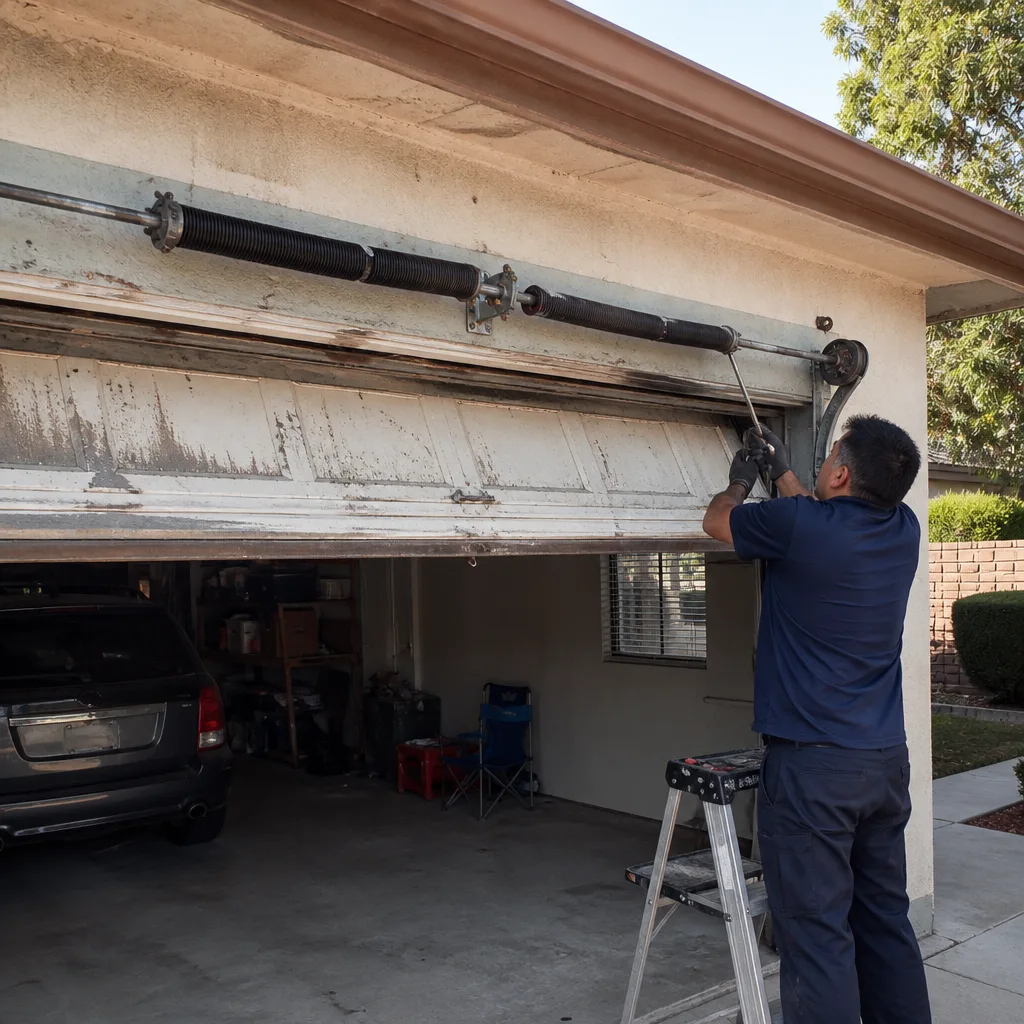 Before
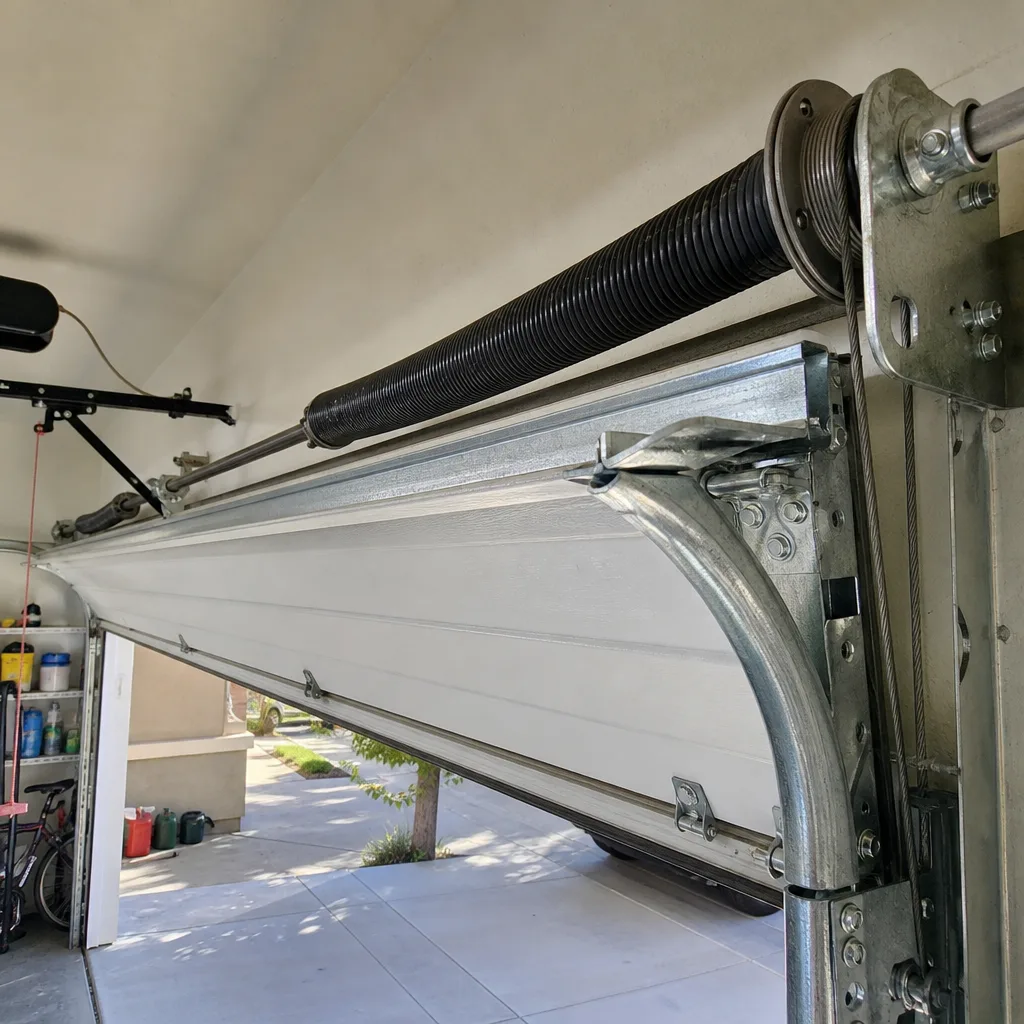 After
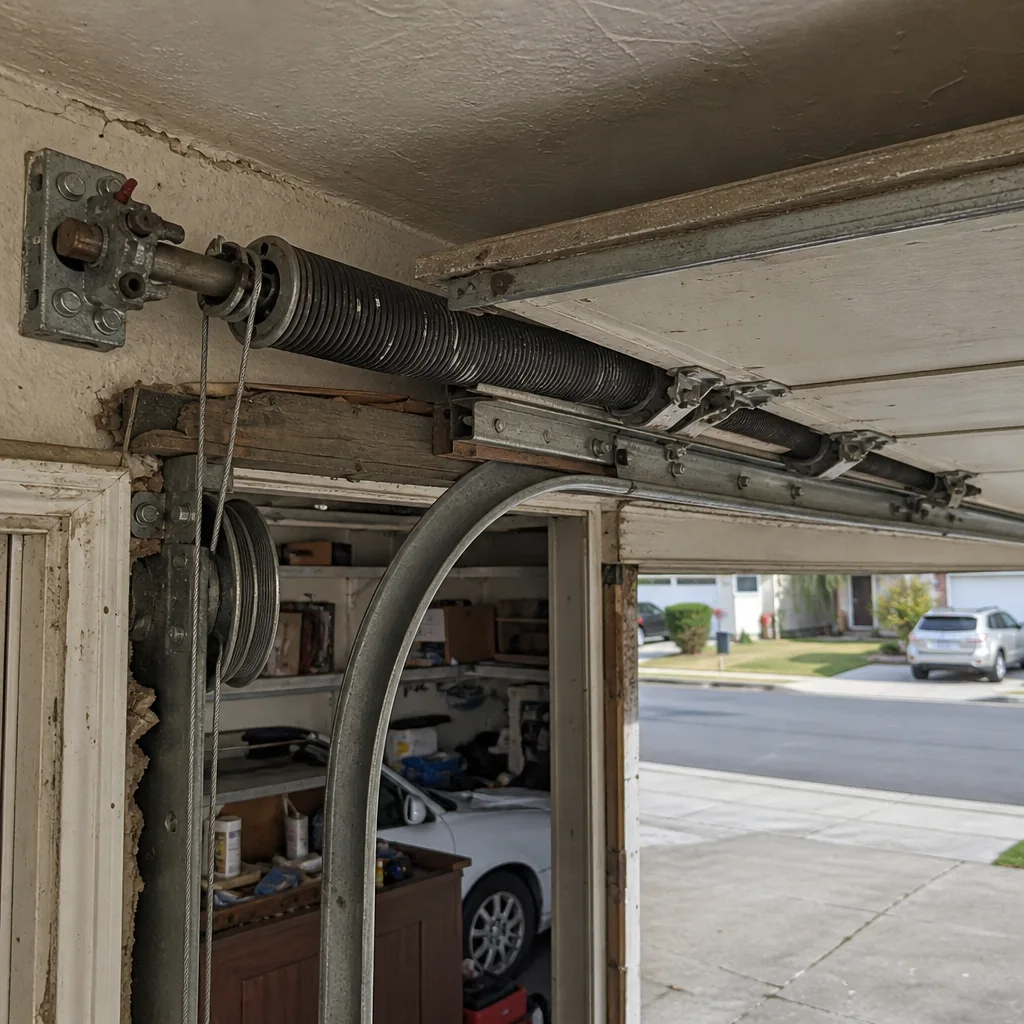 Before
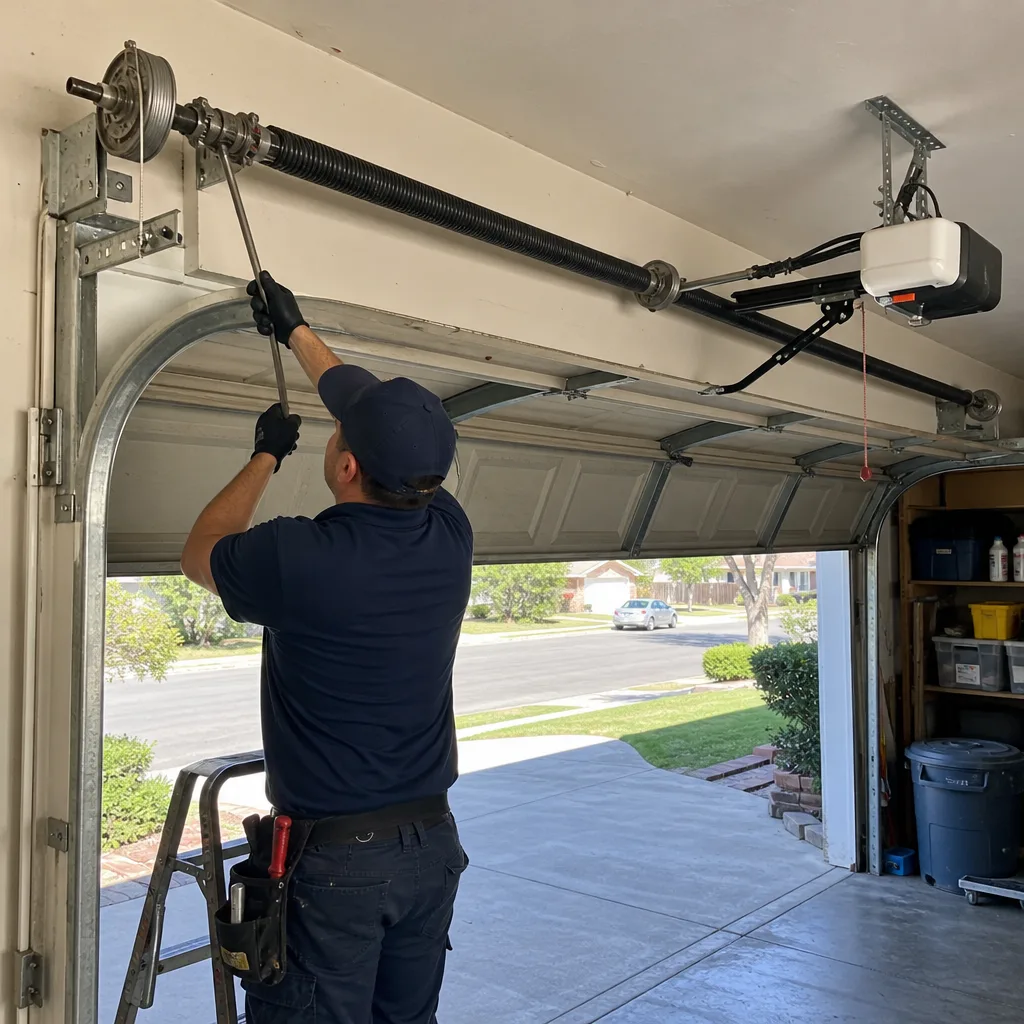 After
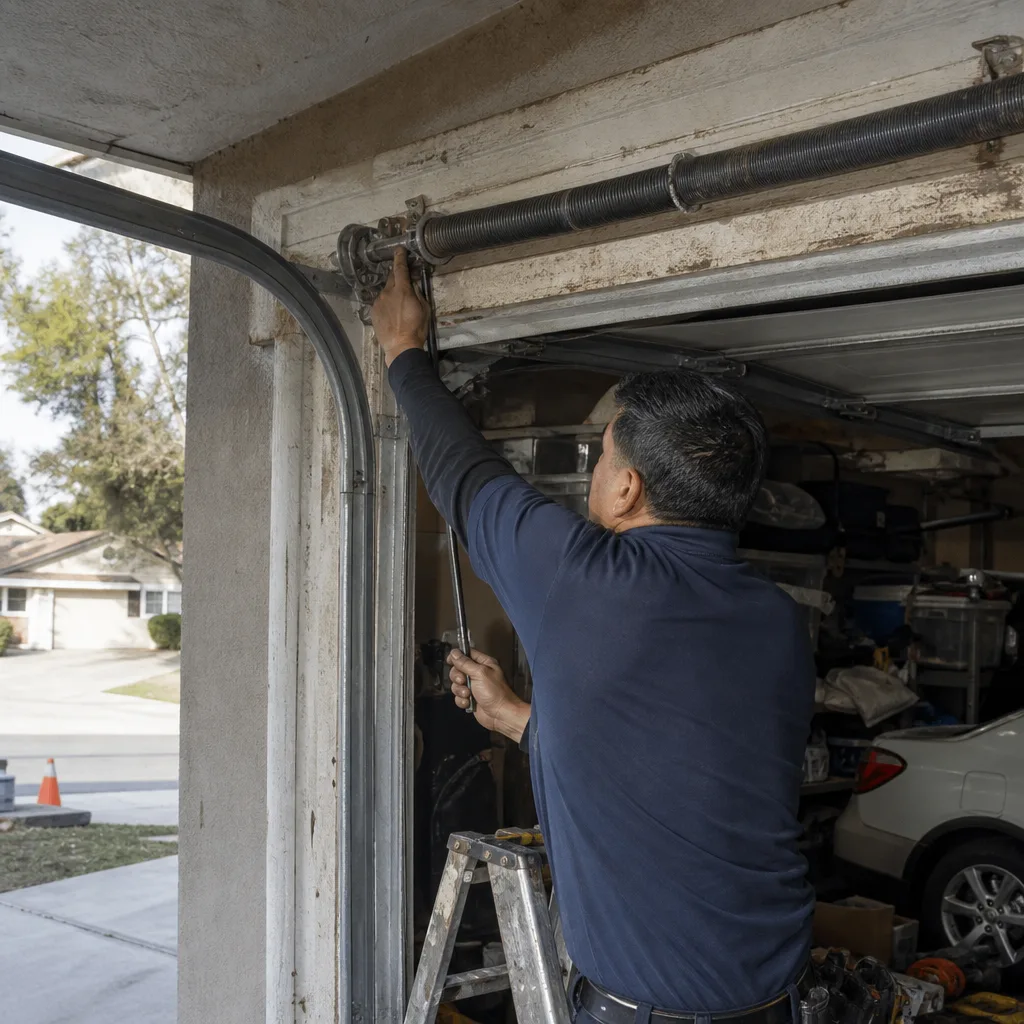 Before
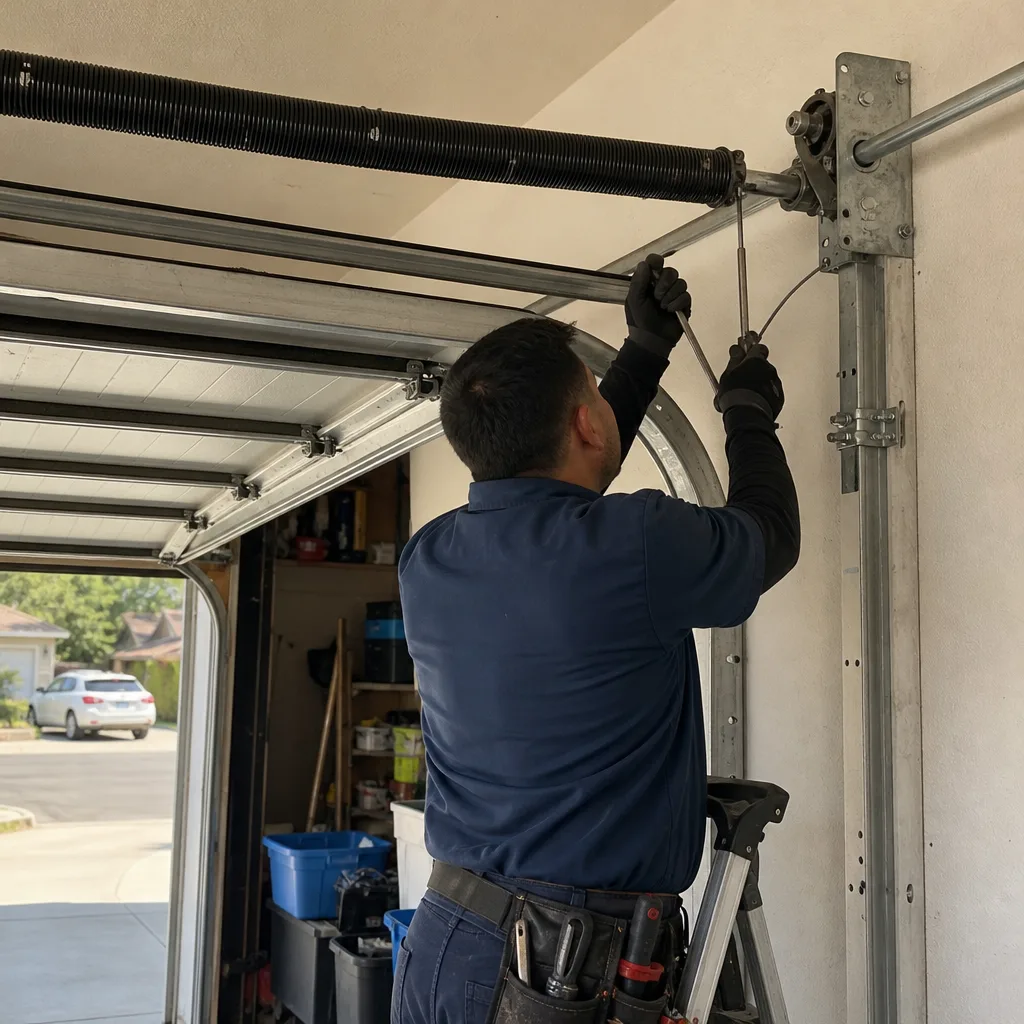 After