
Last updated October 30, 2026
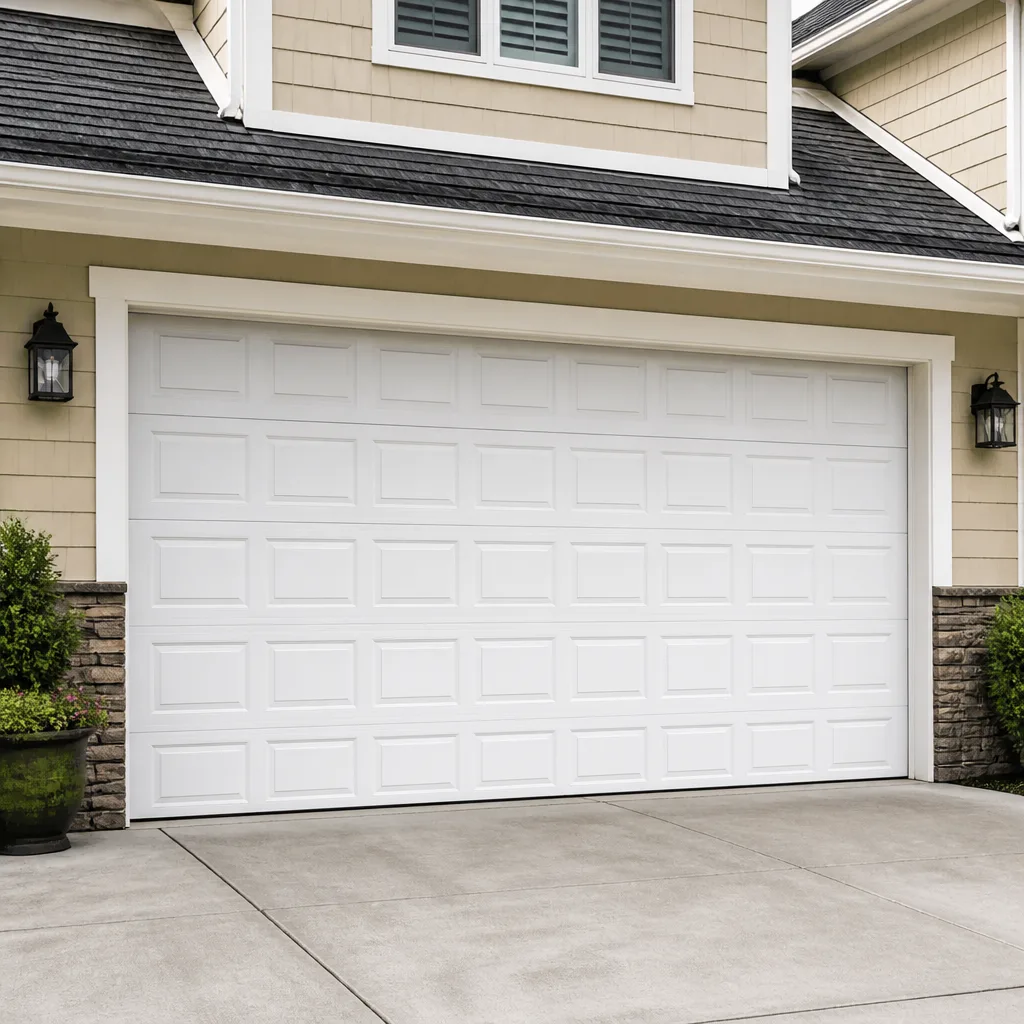 Raised-panel steel
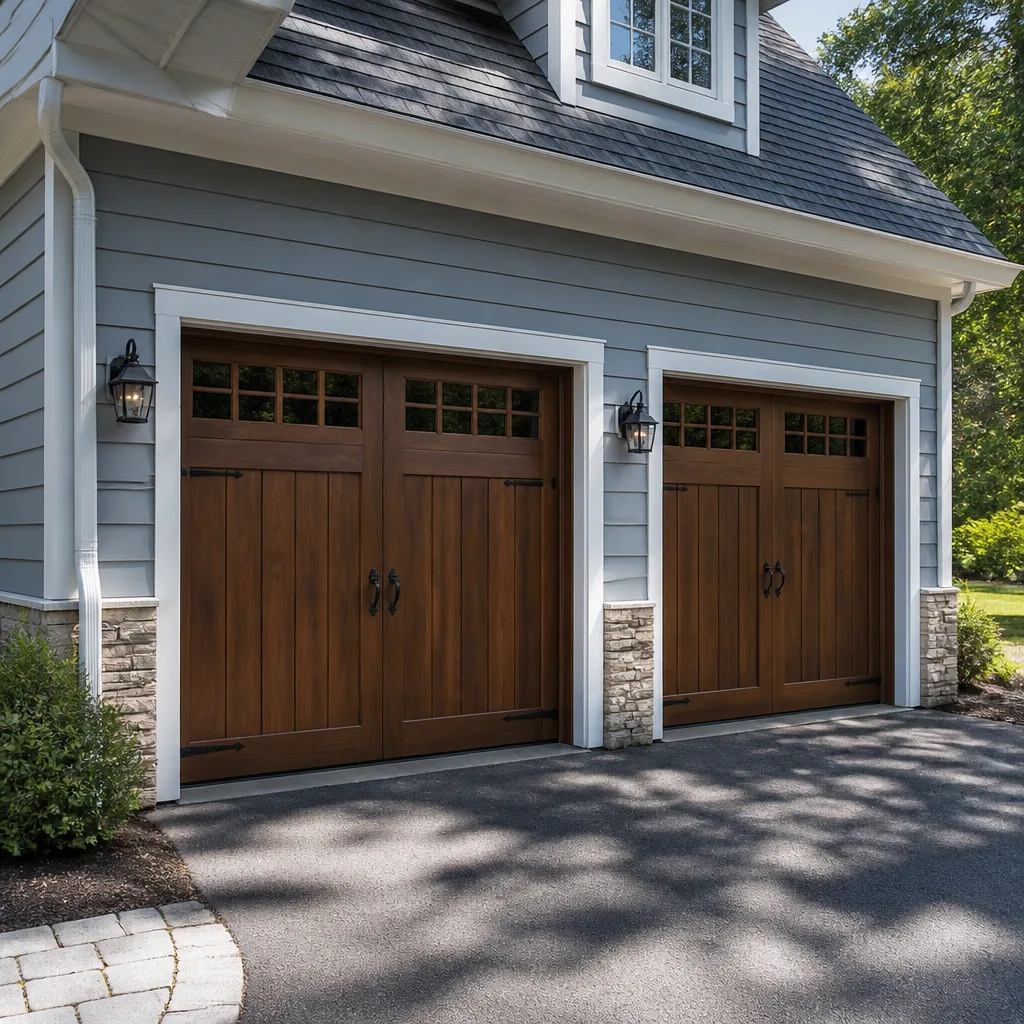 Carriage house
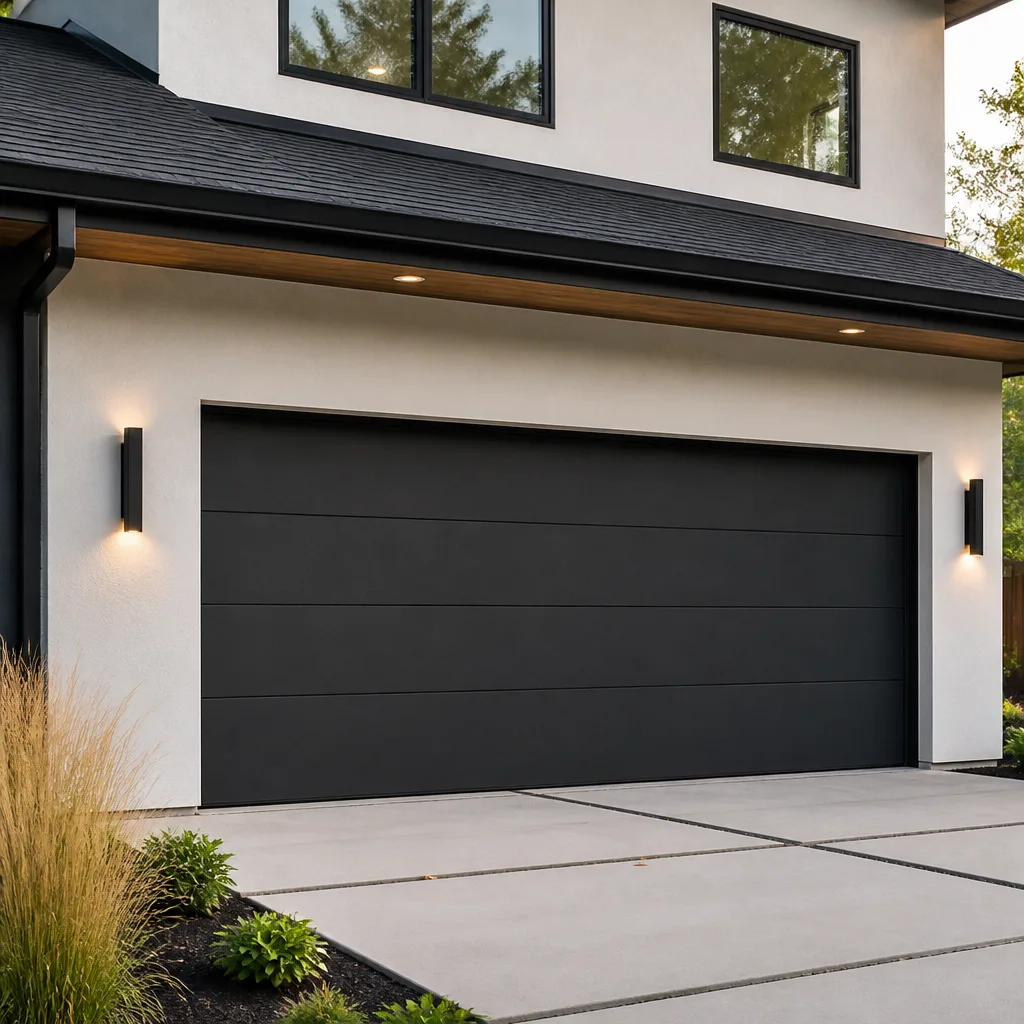 Modern flush
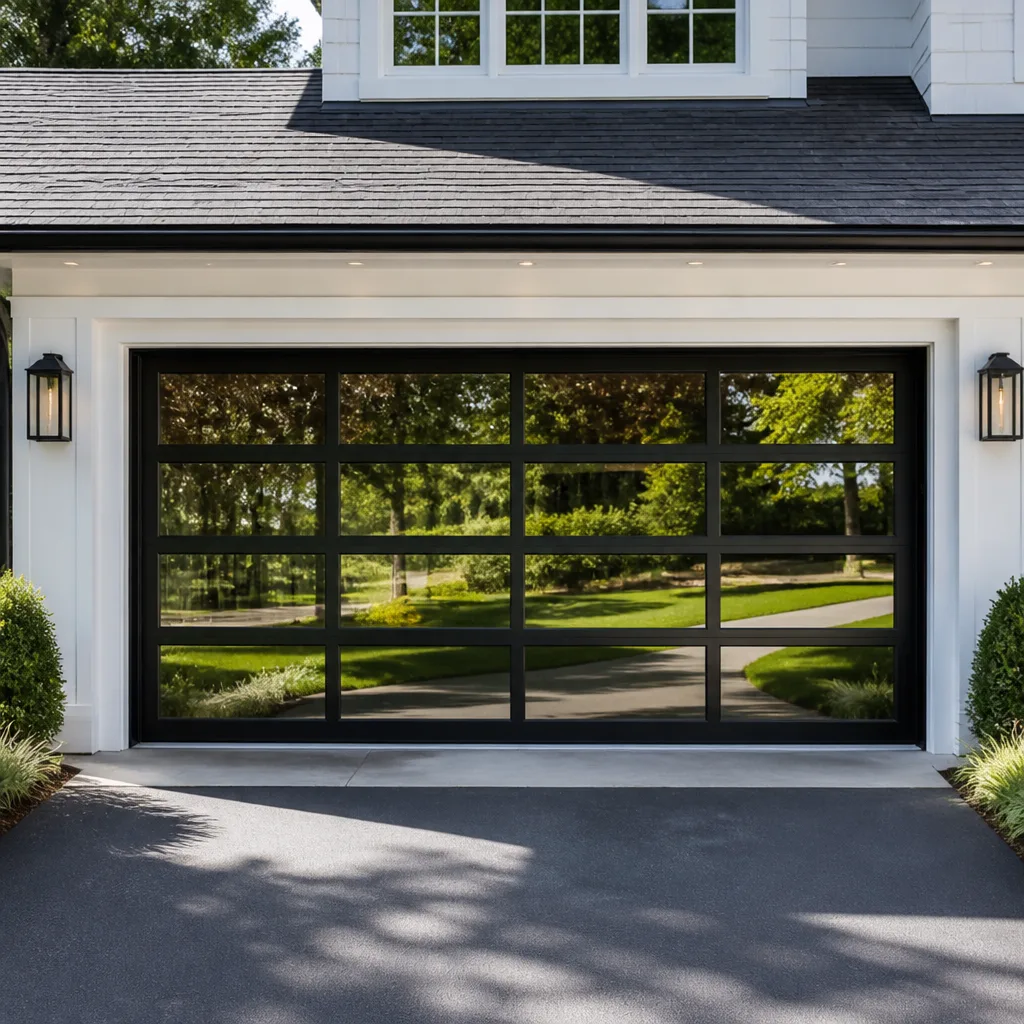 Full-view glass
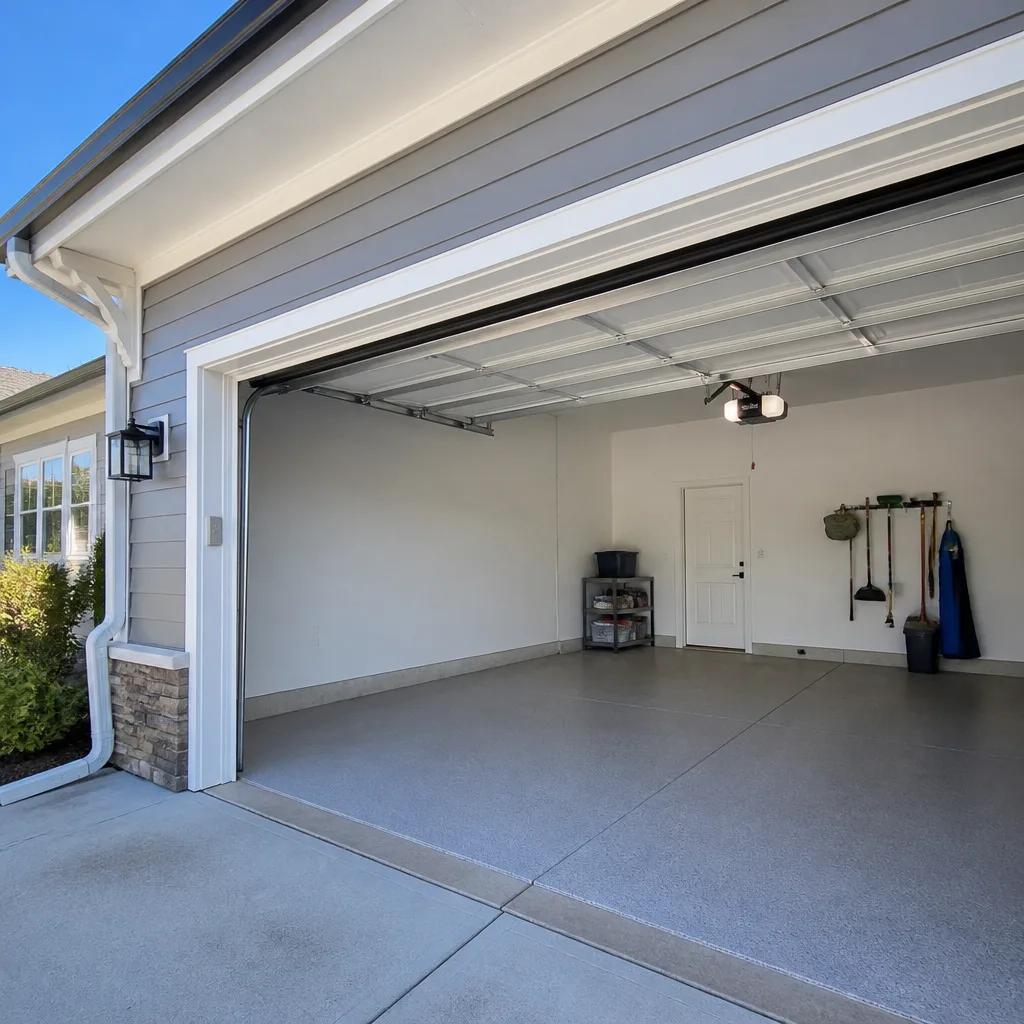 LiftMaster openers
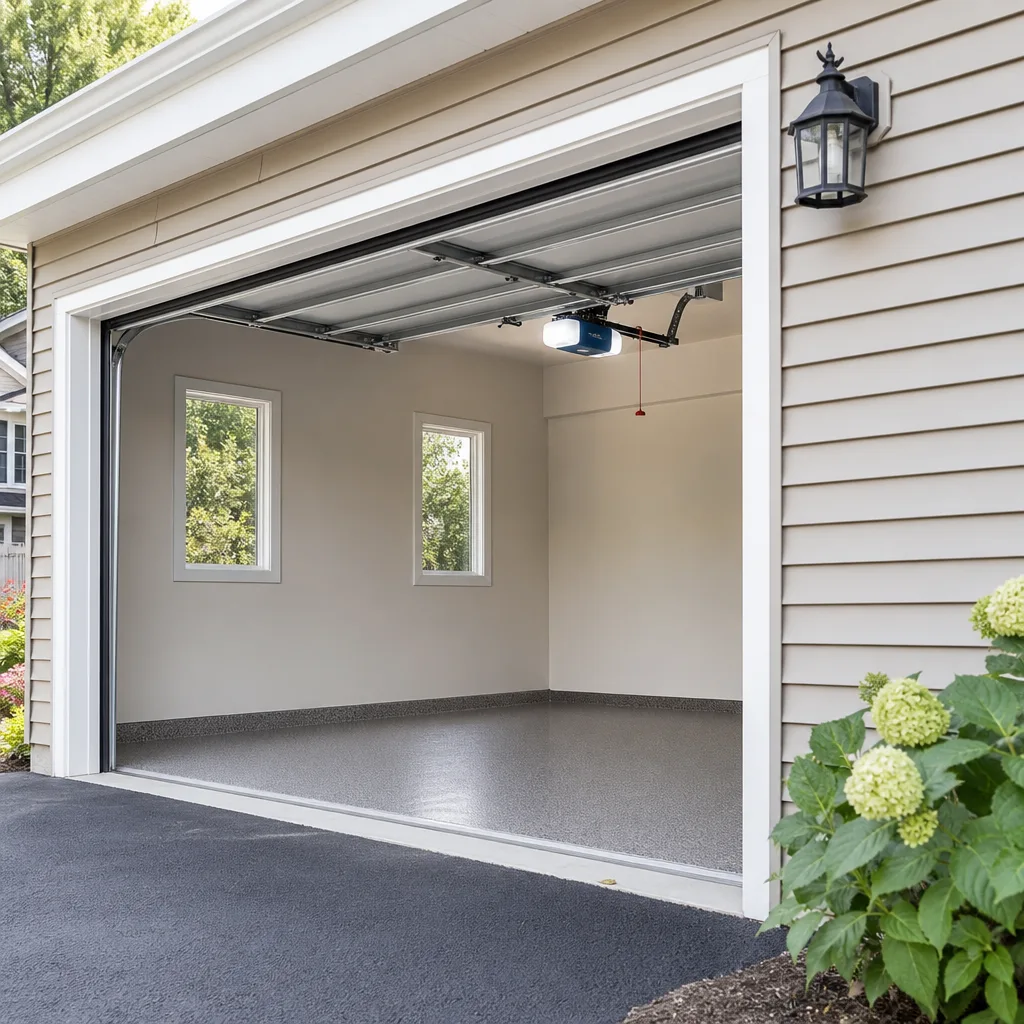 Chamberlain openers
Full 25-point door and opener safety check with every visit - springs, cables, rollers, tracks, and your LiftMaster or Chamberlain opener included
You get a price before we start. It does not change when the truck arrives.
Get your free estimateGarage Door Repair Maintenance Checklist for Riverside Homeowners
The single most common “emergency” call we get in Riverside in October is a door that stopped reversing after the first Santa Ana wind event. Dust and fine grit blow into the sensor eyes, the beam gets interrupted, and suddenly a door that worked fine all summer won’t close. What’s frustrating is that almost all of these calls are preventable with about four dollars’ worth of effort and a clean rag done in September. This checklist is built around what actually fails here, in our specific climate, not what a manufacturer’s PDF says might fail in Ohio. If you own a garage door in Riverside, you need a maintenance plan tuned to triple-digit heat, UV exposure that eats rubber, and wind-driven dust that finds its way into every moving part. Our Garage Door Repair services are designed for exactly these local conditions.
Quick Answer
A garage door maintenance checklist for Riverside homeowners should prioritize monthly sensor cleaning during Santa Ana season, quarterly lubrication of rollers and hinges with a silicone-based product that won’t attract grit, annual weatherstripping inspection and replacement due to UV damage, and a monthly auto-reverse safety test using a 2×4. Most Riverside garage door failures are traceable to dust infiltration, heat-degraded rubber seals, or dried-out lubricant, not mechanical defects in the door itself.
Styles & brands we work with
Table of Contents
- The Riverside Monthly Maintenance Checklist
- A Season-by-Season Task Calendar for Riverside
- Which Lubricants Actually Hold Up in Riverside Heat
- How to Test Auto-Reverse Safety Yourself (The CPSC 2×4 Test)
- Inspecting Torsion Springs: What Rust Pitting Looks Like vs. Normal Oxidation
- Weatherstripping and Bottom Seals: The UV Problem
- The Line Between DIY Maintenance and a Liability
- Common Mistakes to Avoid
- When to Call a Professional
- Frequently Asked Questions
The Riverside Monthly Maintenance Checklist
This is the checklist we hand to homeowners who want to stop paying for repairs that didn’t need to happen. It takes about ten minutes a month. None of it requires special tools. All of it targets the specific failure patterns we see in Riverside garages week after week.
Here’s what we tell people to do every single month, year-round:
- Wipe down both safety sensor eyes with a dry microfiber cloth. Riverside’s dust settles on the lenses and eventually blocks the infrared beam. If you have a LiftMaster or Chamberlain opener, the sensor lenses sit near the bottom of the track, about six inches off the floor. A quick wipe prevents the door from reversing mid-close or refusing to close at all.
- Open and close the door once, watching and listening. You’re looking for hesitation, jerking, grinding sounds, or a door that moves unevenly. A well-maintained door moves smoothly in about 10 to 12 seconds. If you hear metal-on-metal grinding, that’s a dry part telling you something.
- Look at the tracks for visible debris. Dust mixed with old lubricant creates a paste that thickens over time. You don’t need to clean the tracks every month, but you should notice when they’re coated. A dry rag along the inside surface, where the rollers ride, is enough.
- Check that the door opens to the correct height and doesn’t sag. A door that stops short or hangs unevenly is often a spring or cable issue in the early stages. Catching it now means a simpler repair. Ignoring it for six months turns a spring adjustment into a full spring replacement.
- Test the auto-reverse function. We’ll walk through the exact procedure below. This is the single most important safety test you can do, and it takes under two minutes. If it fails, stop using the door and call a technician.
If you do these five things every month, you’ll catch about 80% of the problems we see on service calls before they become emergency calls. The remaining 20% are things you can’t reasonably catch yourself, which we’ll cover later.
A Season-by-Season Task Calendar for Riverside
Riverside doesn’t really have four seasons in the traditional sense. We have Santa Ana season, peak heat, and a brief wet spell that catches everyone off guard. Your garage door maintenance should follow that rhythm, not a calendar from a generic home maintenance website. For more guides & resources tailored to local conditions, see our blog.
September to November: Santa Ana Season Prep
Santa Ana winds start picking up in September and peak in October and November. The winds carry fine desert dust that infiltrates every gap in your home, including your garage door system. This is when sensor failures spike, and it’s also when older weatherstripping, already weakened by summer UV, starts crumbling away. Watch for these Garage Door Warning Signs: A Riverside Homeowner’s Reference Guide to catch problems early.
- Clean both sensor eyes thoroughly at the start of September, then again after the first significant wind event.
- Check the bottom seal for cracks. Dust blows in underneath and coats everything in your garage, including whatever you store there.
- Lubricate rollers, hinges, and springs before the dry winds arrive. Lubricant applied in October has to fight dust from day one, which is harder than lubricating in the relative calm of late summer.
- Test auto-reverse now, before the busy season of service calls. If it fails, you’ll have time to schedule a repair without waiting.
December to February: The Brief Wet Season
Riverside gets most of its rain between December and March. It’s not a lot by coastal standards, but it’s enough to cause problems for a door that ignored maintenance all summer. Rust formation, while less aggressive here than in humid climates, does accelerate during these months.
- Inspect the bottom seal after the first rain. Water that pools at the base of the door will seep in and can damage stored items or warp the bottom panel over time.
- Wipe down any standing moisture on the tracks or hardware after storms. Riverside’s humidity is still low, but standing water plus metal equals surface rust.
- Listen for changes in the door’s movement. Cold snaps are rare but do happen, and temperature swings can affect spring tension slightly.
- Run the auto-reverse test monthly. More family traffic during the holidays means more door cycles, and more cycles mean more wear.
March to May: Spring Adjustment
This is the sweet spot for maintenance in Riverside. Temperatures are moderate and the Santa Anas have died down. It’s the best time of year to do any work that involves getting up close to the door and spending time on it.
- Do a full visual inspection of every moving part: rollers, hinges, springs, cables, and the opener chain or belt.
- Replace weatherstripping now if it’s cracked from last summer’s UV. Don’t wait until the heat returns and the rubber gets brittle and harder to work with.
- Check the balance of the door manually. With the opener disengaged (pull the red cord), lift the door halfway. It should stay put. If it falls, the springs need attention.
- Lubricate thoroughly. Spring is the ideal time because you’ll get several months of clean, dust-free operation before the Santa Anas return.
June to August: Peak Heat Survival
Riverside regularly hits 100°F and above in summer. The heat does two things to a garage door: it degrades rubber and plastic components faster, and it exposes any lubricant that isn’t up to the task. Cheap lubricants thin out in high heat and drip off the parts they’re supposed to protect.
- Lubricate monthly during peak heat, unless you’re using a high-quality silicone product (more on that below).
- Check weatherstripping more frequently. UV is at its most intense, and seals that were fine in April can be cracked by August.
- Keep sensor lenses clean. Summer doesn’t have the wind-driven dust of fall, but it has plenty of airborne particulates from dry soil and construction.
- If your garage faces west and gets direct afternoon sun, check the seal failure pattern sooner. West-facing doors in Riverside degrade noticeably faster.
This seasonal rhythm covers the failure patterns we actually see. If you follow it, you’ll spend less money with us, which might seem counterproductive for a business to say. But it’s the truth, and we’d rather build a reputation for being straight with you than for inflating invoices.
Which Lubricants Actually Hold Up in Riverside Heat
This is where generic maintenance advice falls apart. Most guides tell you to use “a garage door lubricant” without specifying what kind. That matters here because Riverside’s dry heat and dust create a specific set of demands that a product designed for a humid coastal climate won’t meet.
There are two main choices: silicone-based lubricants and lithium-based greases. For Riverside conditions, our experience points clearly in one direction.
Silicone-based spray lubricants
These are the right choice for nearly everything on a garage door in Riverside. Here’s why:
- They don’t attract dust. Silicone dries to a film rather than staying wet and tacky. In a place where fine desert grit is in the air for months at a time, a wet lubricant becomes a dust magnet, and dust mixed with lubricant is essentially sandpaper.
- They hold up in high heat. A quality silicone spray maintains its lubricating properties well above 100°F without thinning to the point of dripping. Lithium grease, by contrast, can melt and run in a hot Riverside garage, especially when the garage faces west and bakes all afternoon.
- They work on rollers, hinges, and springs. One product, all the moving parts. Simpler for you, fewer decisions to make.
Lithium-based grease
Lithium grease has its place, but it’s not on most garage door parts in Riverside. It’s heavy, tacky, and attracts dust aggressively. Some manufacturers recommend it for specific applications, like the gear inside certain Genie openers, but for the rollers and hinges and springs, it creates more problems than it solves in our environment. A part lubricated with lithium grease in a Riverside garage will be coated in brown paste within a month during Santa Ana season.
One more note: never use WD-40 as a garage door lubricant. It’s a solvent and a rust inhibitor, not a long-term lubricant. It’ll clean a part, sure, but it’ll leave it drier than before once the carrier evaporates. This is one of the most common mistakes we see homeowners make, right up there with using motor oil.
If you have a Chamberlain or LiftMaster opener, the chain or belt doesn’t need regular lubrication, despite what some guides say. Check your manual. Most modern openers use sealed components or materials that don’t require manual lubrication, and adding product where the manufacturer says not to can void the warranty.
How to Test Auto-Reverse Safety Yourself (The CPSC 2×4 Test)
Every garage door opener sold in the U.S. since 1993 is required by federal law to include an auto-reverse mechanism that stops and reverses the door if it encounters resistance while closing. The Consumer Product Safety Commission (CPSC) recommends testing this monthly. It’s the single most important safety feature on your garage door, and it can fail without you noticing.
The test is simple, takes under two minutes, and requires one tool: a 2×4 laid flat on the ground under the door’s path.
- Place a 2×4 flat on the floor in the center of the door opening, directly under where the door will close.
- Close the door using the opener, either the wall button or the remote.
- Watch what happens when the door makes contact with the 2×4. It should stop immediately and reverse direction, returning to the open position, within two seconds of contact.
- If the door does not reverse, stops but doesn’t reverse, or pushes down on the 2×4 before reversing, the auto-reverse mechanism is not working correctly.
If the door fails this test, do not use it. The risk is serious: a door that doesn’t reverse can injure a child, a pet, or an adult. This is a genuine safety issue, not a cosmetic one.
The fix varies. Often it’s an adjustment to the opener’s force settings, which control how much resistance the door must encounter before reversing. Sometimes it’s a problem with the opener’s internal sensors. Because the cause is usually in the opener motor or logic board, this is not a DIY fix for most homeowners. If your door fails the 2×4 test, call a professional. The garage door opener repair service in Riverside you choose should be able to diagnose and fix the reverse mechanism the same visit.
We test this on every service call we make in Riverside, whether the homeowner asked for it or not. It’s the kind of thing that should be part of any professional visit, and if your technician doesn’t check it, that’s a red flag about how thorough they are.
Inspecting Torsion Springs: What Rust Pitting Looks Like vs. Normal Oxidation
Torsion springs are the most dangerous component on your garage door. They’re under extreme tension, and when they fail, the sound is unmistakable, like a gunshot in the garage. Inspecting them visually every few months is a reasonable homeowner task. Replacing them is not.
Here’s what you’re looking at when you examine a torsion spring:
Normal surface oxidation: In Riverside’s dry air, springs often develop a light, uniform powdery rust on the surface, especially older ones. This is superficial and generally harmless. The spring still has its integrity. It’s the equivalent of a patina on a tool that’s been in the shed for years. You’ll see a consistent reddish-brown tint across the entire coil with no flaking or pitting.
Rust pitting: This looks different. You’ll see small dots or craters in the metal, places where rust has eaten past the surface. Sometimes there’s flaking, sometimes the pitting looks like tiny pinpricks that go deeper than the surrounding surface. You can often spot it by looking for uneven texture, areas where the rust is darker and the surface is irregular rather than smooth and powdery.
The reason this matters: pitting means the spring has lost material. It’s weakened. A spring with visible pitting is a candidate for failure, and when a torsion spring fails, it can damage the door, the opener, your car, and in rare cases, people nearby. This is not a part you want to wait on.
One more thing to look for: gaps in the spring. A torsion spring is one continuous coil. If you see a visible separation, where the spring looks like it’s pulled apart in the middle, that spring has broken and is no longer functioning. You’ll usually notice the door gets very heavy to lift manually when this happens.
If you see pitting, a gap, or any sign that the spring is significantly worn, call a professional. Spring replacement involves releasing stored tension, and doing it wrong can cause serious injury. At Honest Garage Door Service, we’ll tell you straight whether the spring is fine, needs replacing soon, or needs replacing now, and we’ll quote you the price before any work starts. The garage door repair in Riverside work we do on springs is quoted upfront, agreed before we begin, and never marked up mid-job.
Weatherstripping and Bottom Seals: The UV Problem
Riverside gets an average of about 277 sunny days per year. That’s a boon for your mood and a problem for anything made of rubber or vinyl attached to your garage door. The sun here doesn’t just age weatherstripping, it cooks it.
The weatherstripping on a garage door serves two functions: it seals the gaps around the sides and top to keep dust and water out, and it softens the contact point between the door and the frame. The bottom seal, which runs along the floor, takes the most abuse. It compresses every time the door closes, and it’s the first line of defense against everything that blows in at ground level.
Here’s what happens in Riverside specifically:
- UV radiation breaks down the rubber’s flexibility. A seal that started supple in spring becomes stiff and brittle by fall. Instead of flexing to fill the gap, it cracks.
- Extreme heat accelerates the process. A west-facing garage in Riverside can hit interior temperatures far above ambient. Rubber ages faster in heat, which means seals here wear out faster than in, say, San Diego, where marine air moderates the temperature.
- Cracked seals let dust in. During Santa Ana season, the pressure differential between the inside and outside of the garage actually pulls air, and dust, through any gap. You’ll notice it as a fine layer of grit on everything stored in the garage, and in worse cases, as visible dust seeping in along the bottom of the door.
How to check your weatherstripping: Run your hand along the bottom seal, feeling for stiffness, cracks, or flat spots where the seal has permanently compressed. Look at the side seals with a flashlight, checking for gaps where the seal no longer touches the frame. If you can see daylight through a gap in the weatherstripping while the door is closed, it’s time to replace it.
Replacement is a straightforward job on most doors. The bottom seal slides into a channel on the bottom panel, and the side and top seals attach to the frame. Some homeowners do this themselves. If the door is a Clopay or Amarr model with a proprietary seal profile, you may need to order the exact replacement part from the manufacturer, which is where a full-service company helps. We work on Clopay and Amarr doors regularly and can source the right seal without guesswork.
Replacing weatherstripping annually, or every 18 months at most, is a wise investment in Riverside. The material is inexpensive. The labor is minimal. What it prevents, especially the dust infiltration and the associated cleanup and potential damage to stored items, costs far more.
The Line Between DIY Maintenance and a Liability
Some garage door maintenance is clearly owner territory. Cleaning sensors, wiping down tracks, lubricating rollers and hinges, checking weatherstripping: these are all low-risk, reversible tasks. The worst consequence of doing them wrong is that the door doesn’t work quite as well as it did.
Then there’s the line where maintenance stops being a checklist and starts being a risk. This line isn’t about skill level or courage. It’s about stored energy and the stakes of getting it wrong.
Here’s the clearest way to think about it: anything that involves releasing, adjusting, or replacing a part under tension is professional work. This includes:
- Torsion springs. These hold the weight of the entire door. The tension is enormous. Improper handling can cause severe injury. This is the number one rule of garage door safety, full stop.
- Extension springs and cables. Older doors use extension springs that stretch along the tracks. They’re less dangerous than torsion springs, but the cables that connect them run under tension too. A snapped cable can whip with enough force to cause serious cuts.
- Opener force adjustments and limit switches. The auto-reverse test is a test, not a repair. If the door fails the test, the diagnosis involves the opener’s internal settings and possibly its logic board, which means opening up a unit that runs on electrical current and contains stored mechanical energy.
- Track realignment that requires loosening bolts. If your tracks are visibly out of alignment, the door may be binding against them. Loosening track bolts changes the door’s path, and if you get it wrong, the door can come off the tracks entirely.
We’re not saying this to protect our business. We’re saying it because we’ve seen what happens when a homeowner with a socket wrench decides to tackle a spring replacement. The medical bills dwarf the repair cost. Every time.
The practical test: if you can do the job with a rag, a lubricant can, and a screwdriver, it’s maintenance. If the job requires a winding bar, a ladder braced against the wall, or moving a part that’s under visible tension, it’s a service call. The team at Honest Garage Door Service home handles the full lifecycle in Riverside, from garage door installation in Riverside to repairs and openers, so the handoff between what you do and what we do is always clear.
Common Mistakes to Avoid
- Using WD-40 as a lubricant. It’s a solvent that strips away existing lubricant, leaving parts drier than before. In Riverside’s dust-heavy air, a dry part becomes a grinding part within weeks. Use silicone spray instead.
- Neglecting the sensor eyes until the door stops working. By the time sensors fail, you’ve likely already placed a call for a no-close or reverse-at-wrong-time problem. A monthly wipe-down takes 30 seconds and prevents nearly all sensor-related calls we get in Riverside.
- Ignoring a noisy door because it still opens. Grinding, squealing, or rattling sounds are the door telling you a part is failing. Waiting until it fails completely converts a $100 repair into a $400 one. Noise is the earliest warning system you have, and it’s free.
- Lubricating with a heavy grease that attracts dust. We covered this earlier, but it’s worth repeating because it’s so common. Lithium grease on rollers in Riverside turns into a dust-and-grease paste that accelerates wear. The same applies to any product that stays wet or tacky after application.
- Doing maintenance but never testing auto-reverse. You can clean and lubricate every month and still have a dangerous door. The reverse test is the one item on the checklist that protects people, not just hardware. Skipping it defeats the purpose of having a checklist at all.
- Assuming a new door means no maintenance needed. New doors have new springs, new rollers, new seals. They still need lubrication and sensor cleaning, and the auto-reverse test is equally important on day one as it is on day 100. A door from any brand, including LiftMaster and Genie systems, needs a maintenance routine from the start.
- Replacing weatherstripping without matching the profile. Not all seals are universal. Clopay and Amarr use different bottom seal profiles on different door models. Installing the wrong seal means it’ll fall out or fail to seal, and you’ll be back to square one with dust blowing in again.
When to Call a Professional
Call a professional when the maintenance checklist reveals something outside the list of safe homeowner tasks. That specifically means: a door that fails the 2×4 auto-reverse test, visible pitting or a gap in a torsion spring, snapped cables, tracks that are visibly bent or out of alignment, or an opener that makes grinding sounds and won’t respond consistently. Also call if you’ve never had a professional look at the door and you’ve owned the home for more than five years. A one-time inspection catches things a monthly checklist can’t, because the technician knows what a failing part looks like before it becomes obvious. Honest Garage Door Service offers free estimates in Riverside. Call (833) 620-3811 and we’ll tell you what’s wrong, what it costs, and what you can safely handle yourself going forward.
Frequently Asked Questions
Lubricate the rollers, hinges, and springs every three months in Riverside under normal conditions, and monthly during peak summer heat if you’re using a silicone-based product. The dry air and dust mean lubricant degrades differently here than in coastal climates, and a quarterly schedule keeps parts protected without building up the grit-attracting film that comes from over-lubricating.
Sensor failures caused by dust accumulation are the most common problem we see in Riverside, especially during Santa Ana season from September through November. The fix is usually simple, a wipe-down of both sensor lenses, but many people don’t know that and call a technician for a problem they could have prevented in 30 seconds.
DIY maintenance costs about $15 to $25 per year for a quality silicone lubricant and replacement weatherstripping. Professional maintenance visits, when you want a technician’s eyes on the system, vary by provider. Honest Garage Door Service provides free estimates for any repair or maintenance work, so you’ll know the exact cost before anything is done.
Yes, most of the checklist on this page is designed for homeowners. Cleaning sensors, lubricating rollers and hinges, checking weatherstripping, and testing auto-reverse are all safe and simple. The tasks to avoid are anything involving springs, cables, or track realignment, because those parts are under extreme tension and mistakes carry a real risk of serious injury.
That jerk is usually the door overcoming the added friction of cold rubber seals and slightly thicker lubricant in the morning chill. It’s common in Riverside during the brief wet season, and it’s generally not a sign of a serious problem. If the jerking persists after the door warms up, or if it’s accompanied by grinding or hesitation, it’s worth a professional look at the springs and rollers.
A neglected garage door in Riverside will typically fail in one of three ways: the springs snap, the opener burns out from fighting a door that’s no longer properly balanced, or the rollers wear down and the door comes off its tracks. All three are more expensive than the maintenance that would have prevented them, and all three are common enough that we see them regularly. Call (833) 620-3811 for an honest assessment of your door’s condition before it reaches that point.
The Bottom Line
Garage door maintenance in Riverside isn’t about following a generic checklist from a manufacturer’s manual. It’s about understanding how our specific climate, the heat, the UV, and the Santa Ana dust, affects the materials on your door, and then doing a few simple tasks on a schedule that matches those conditions. Monthly sensor wipes, quarterly lubrication with the right product, seasonal weatherstripping checks, and the monthly auto-reverse test: these five habits prevent the large majority of repairs we perform. The rest is knowing where your responsibility ends and a professional’s begins. For everything past that line, get a straight answer and an honest price before the work begins. Call (833) 620-3811 for a free estimate, and we’ll tell you exactly what your door needs and what it doesn’t.
Written by the team at Honest Garage Door Service, serving Riverside since 2015.
See the difference
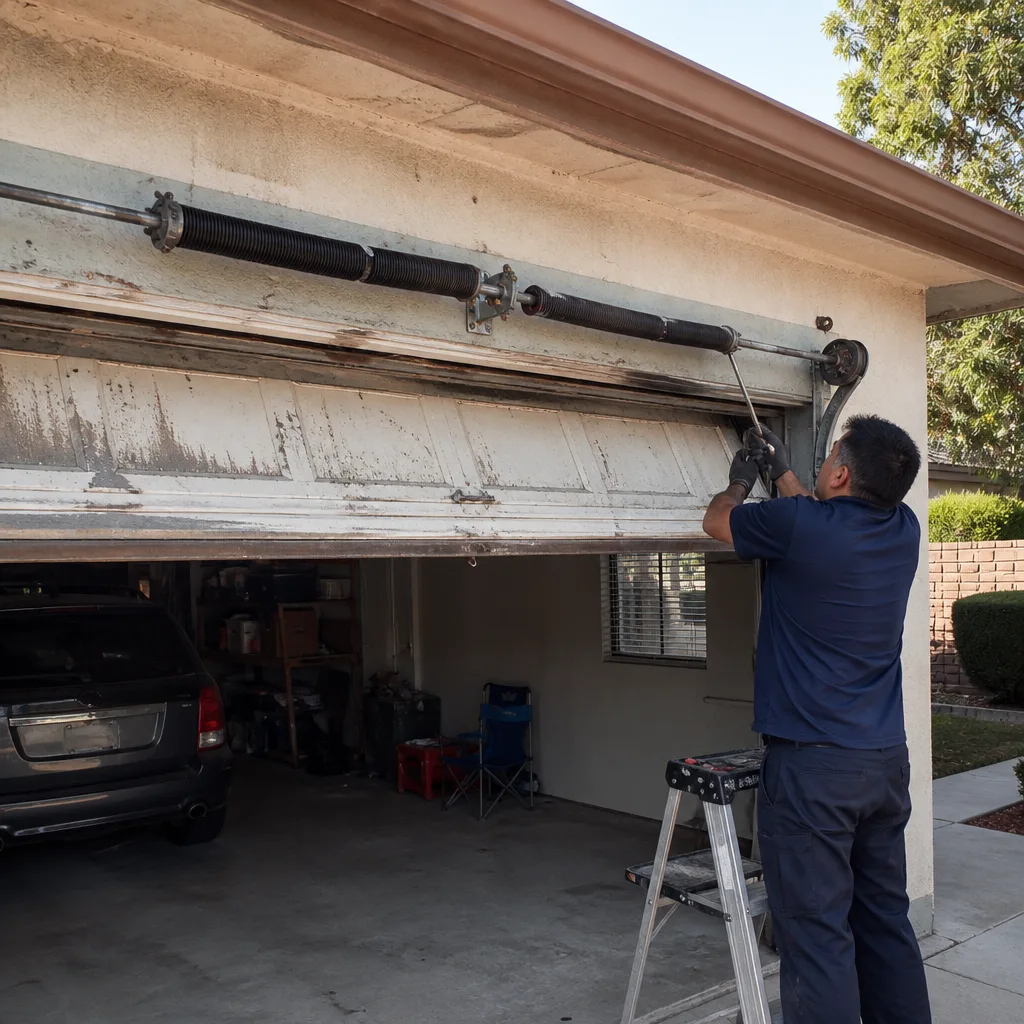 Before
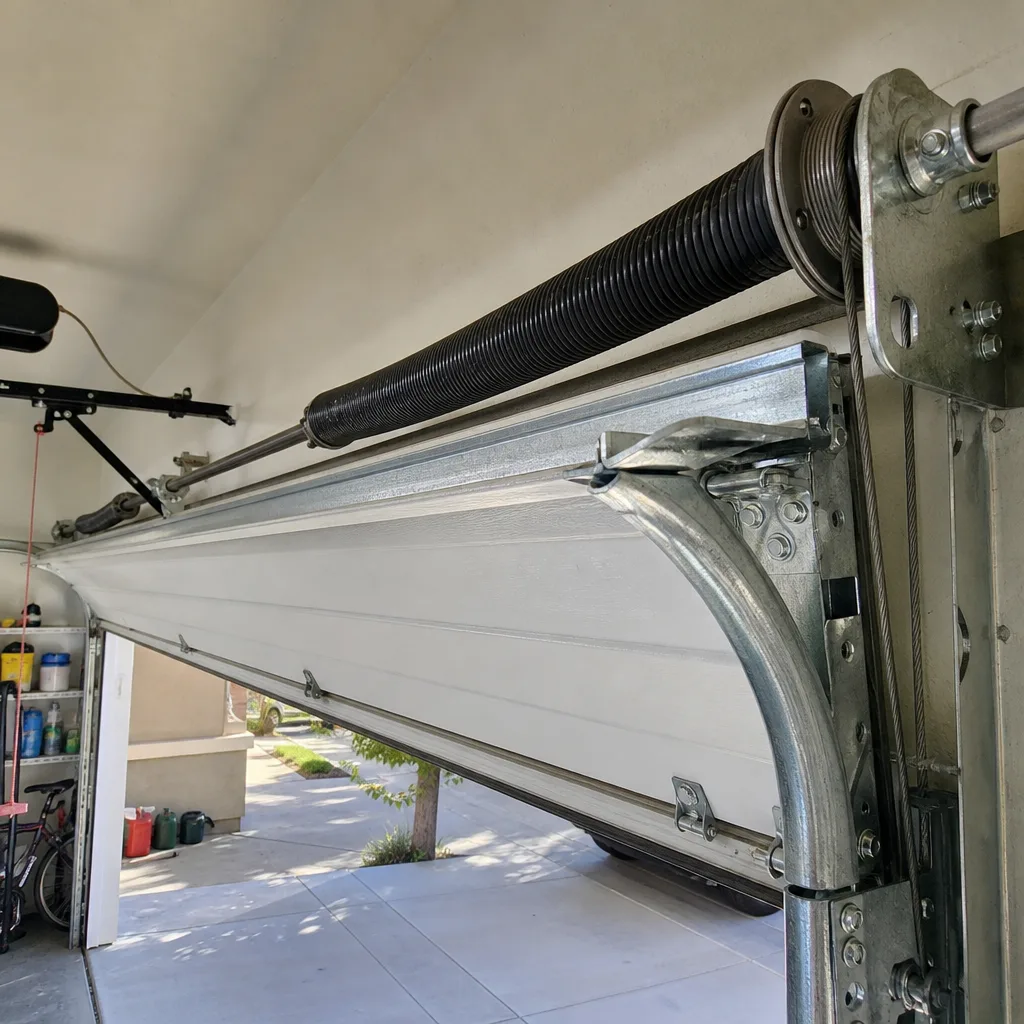 After
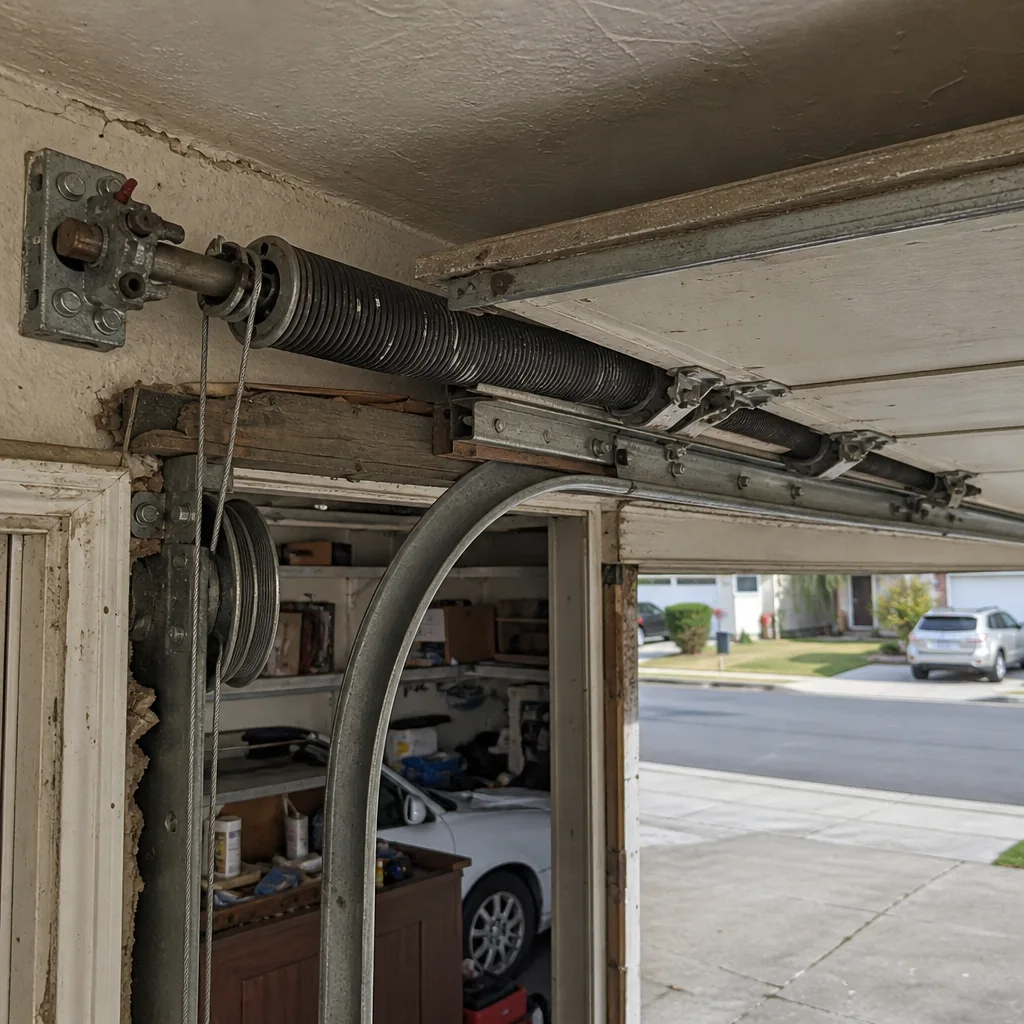 Before
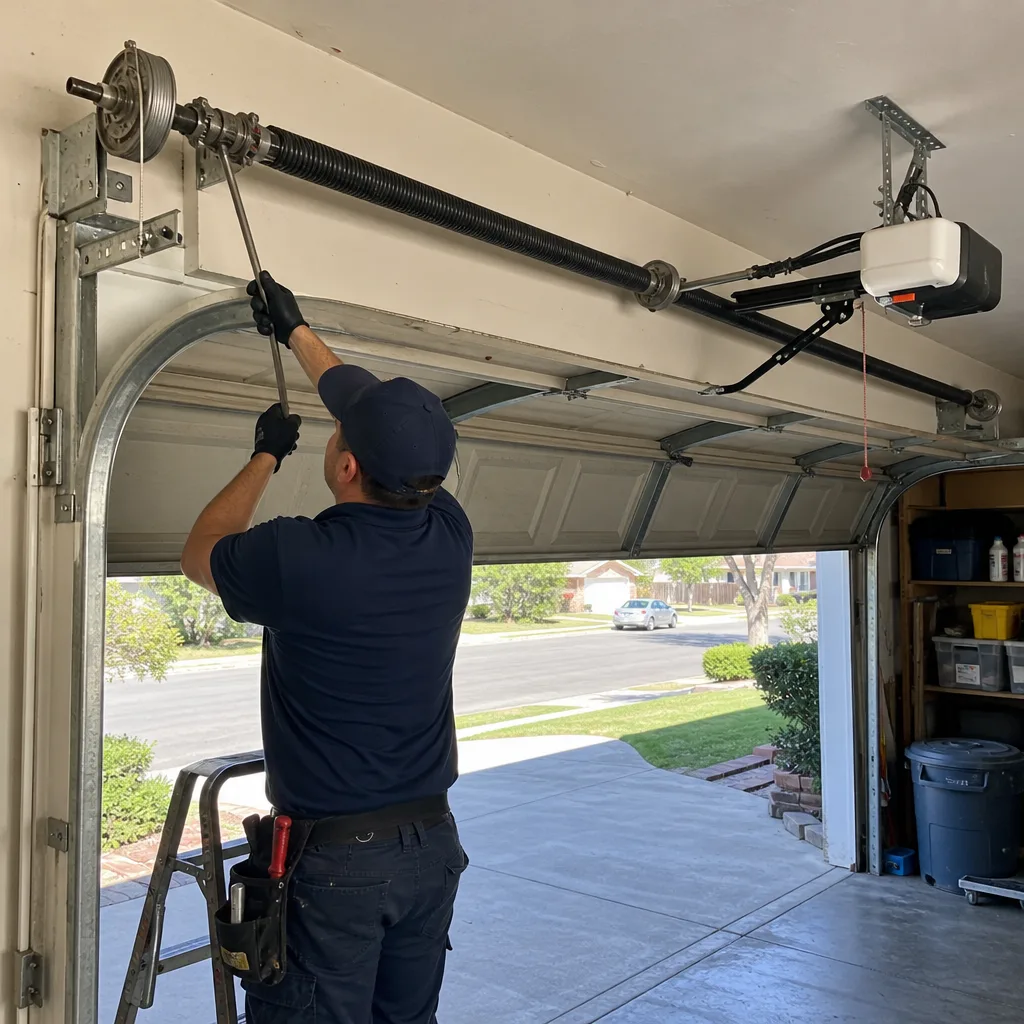 After
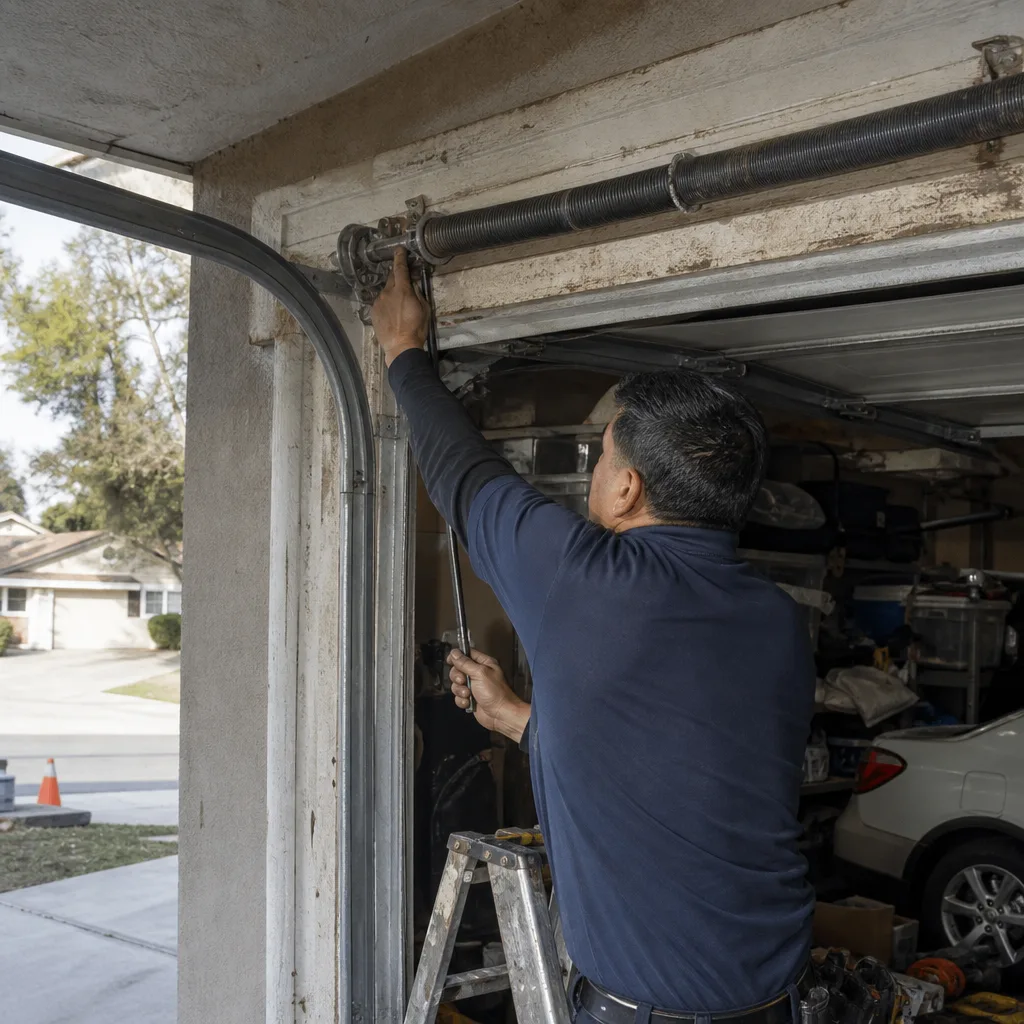 Before
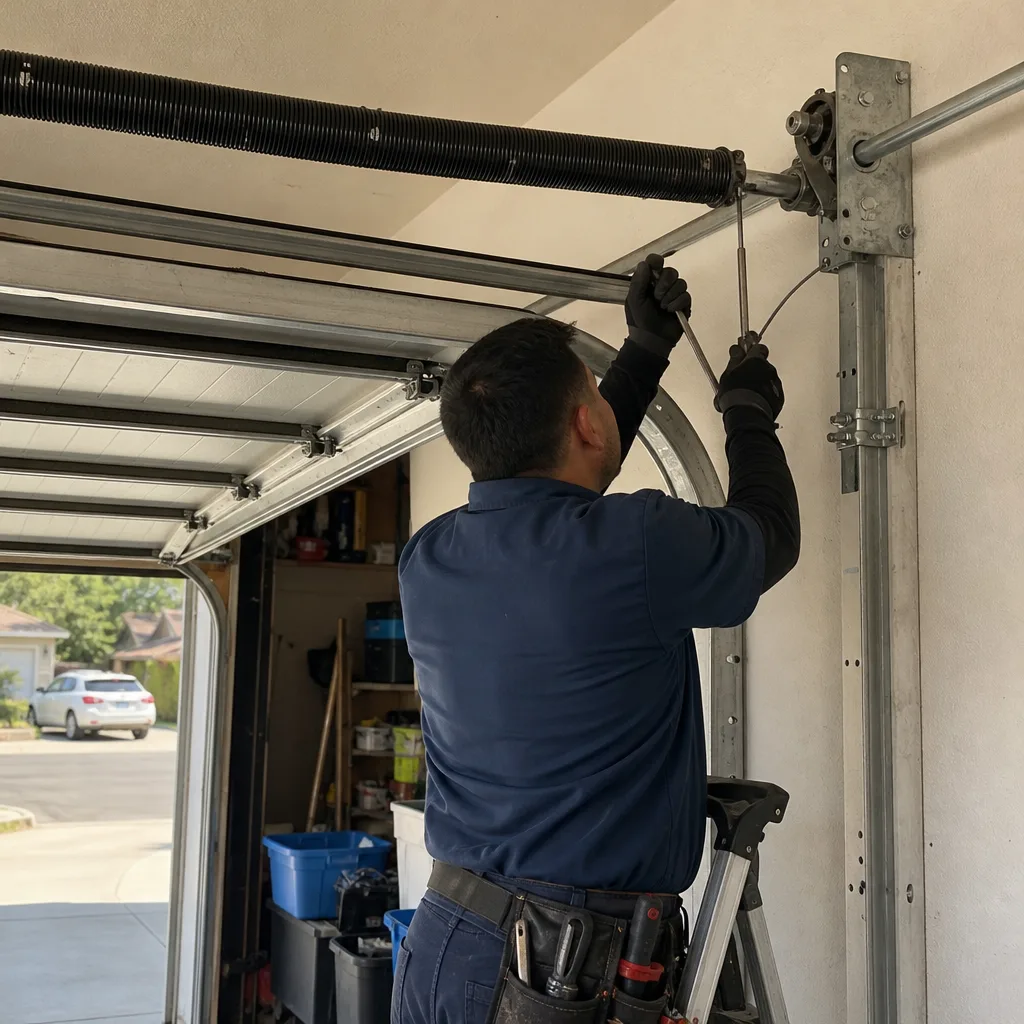 After