
Last updated October 30, 2026
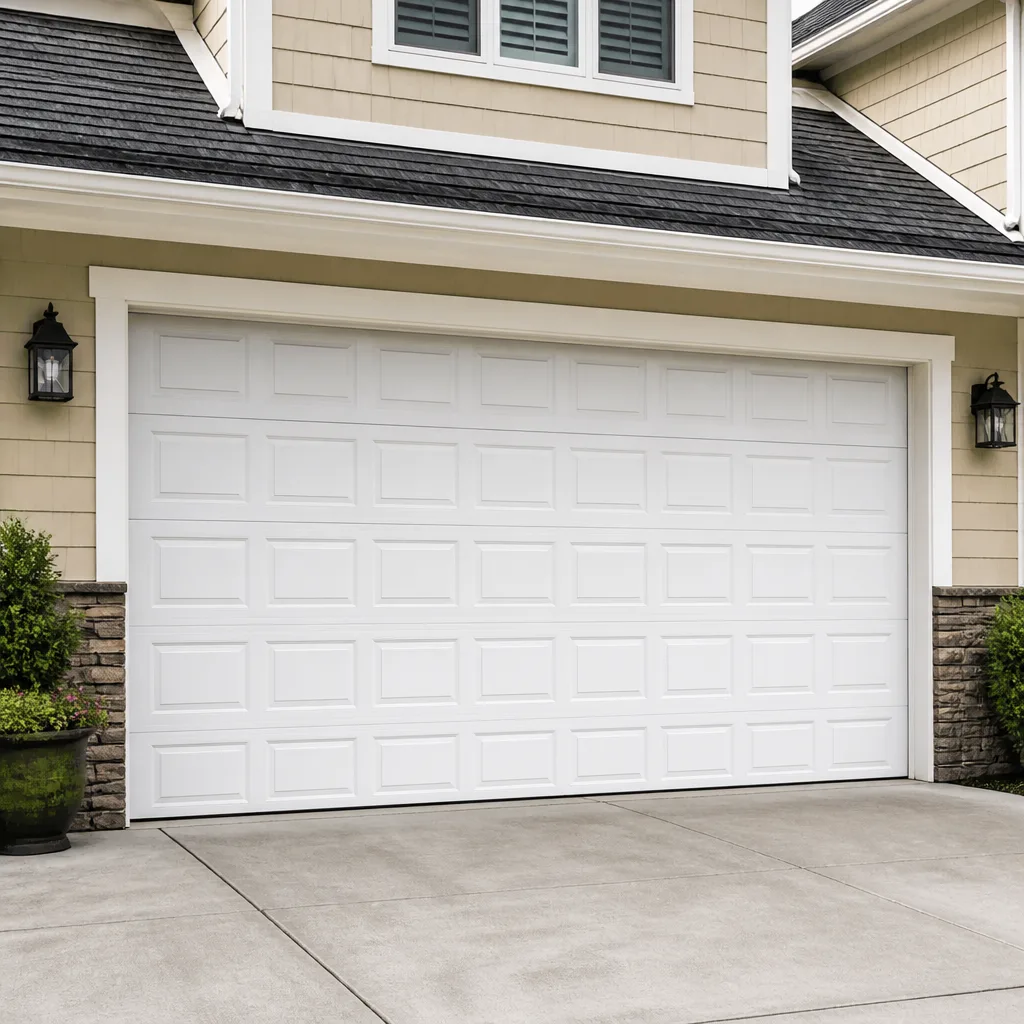 Raised-panel steel
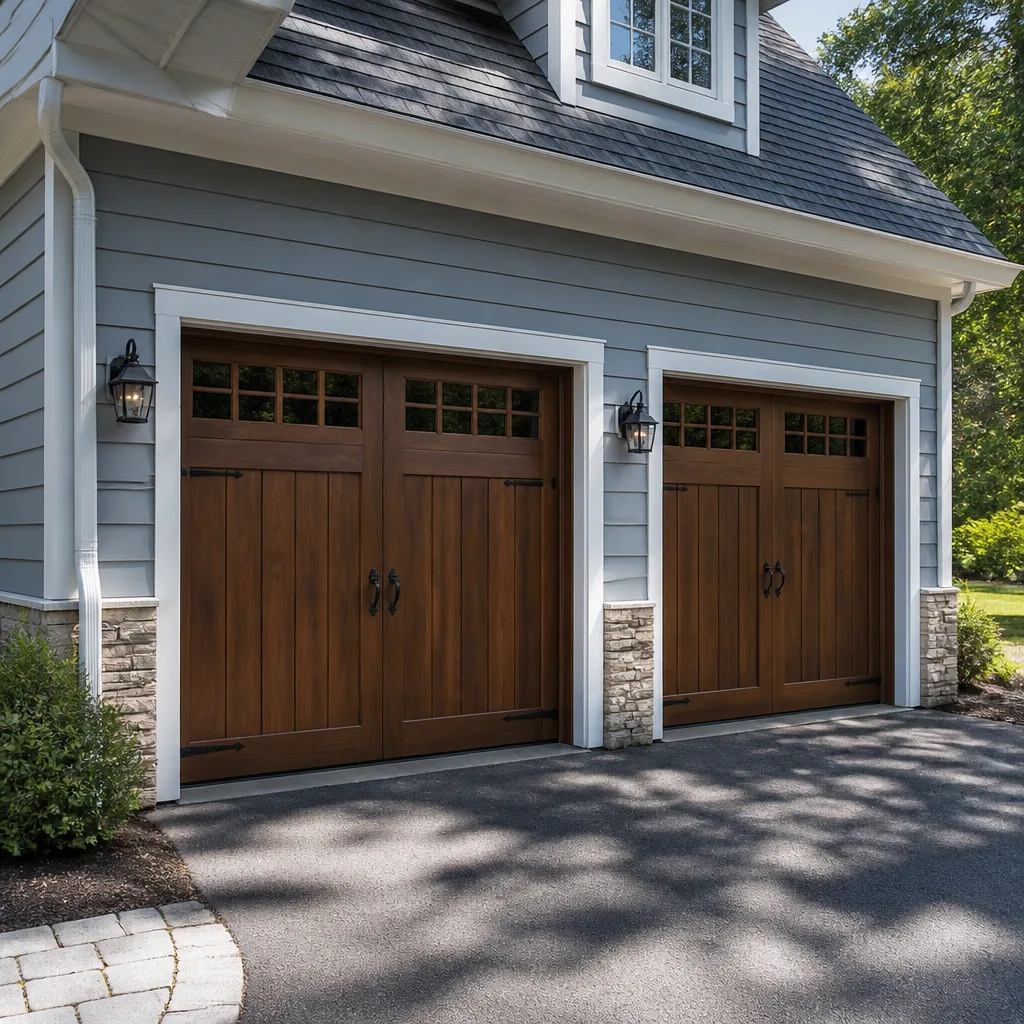 Carriage house
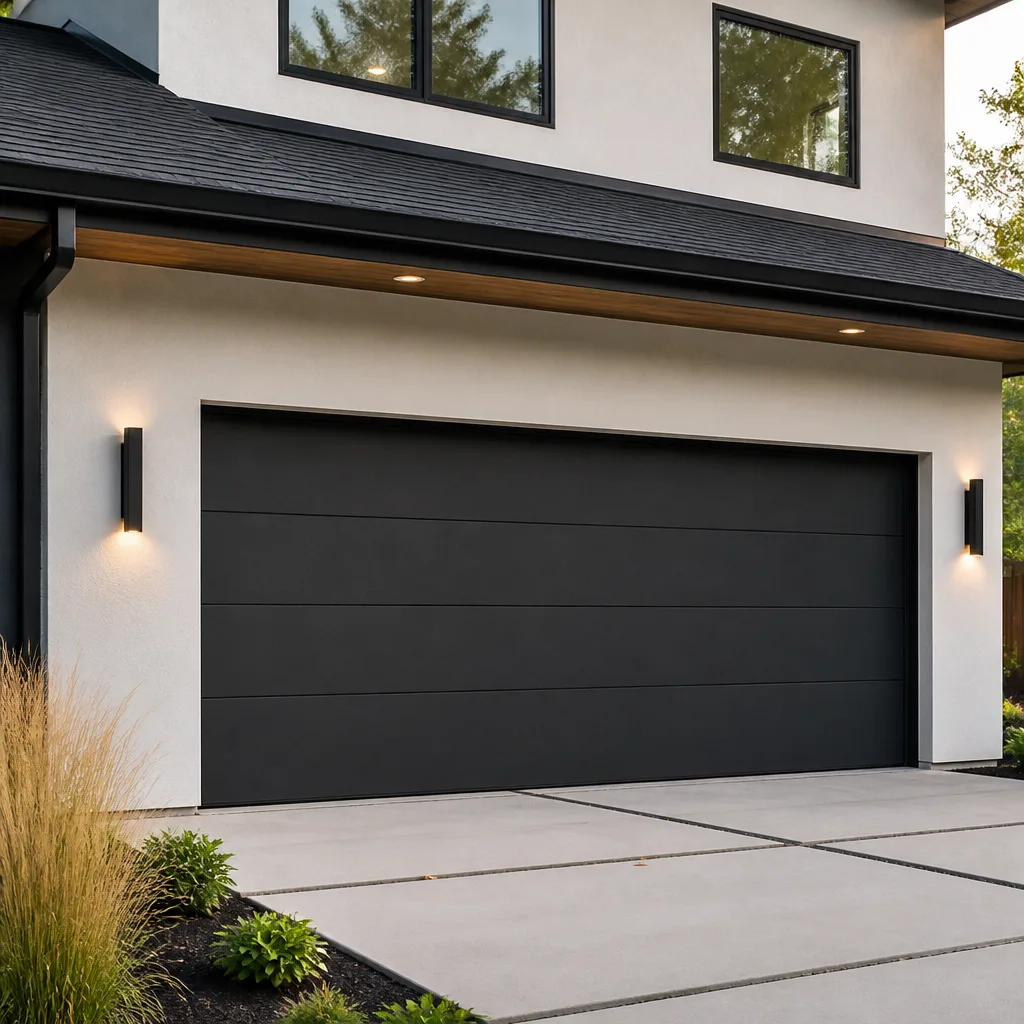 Modern flush
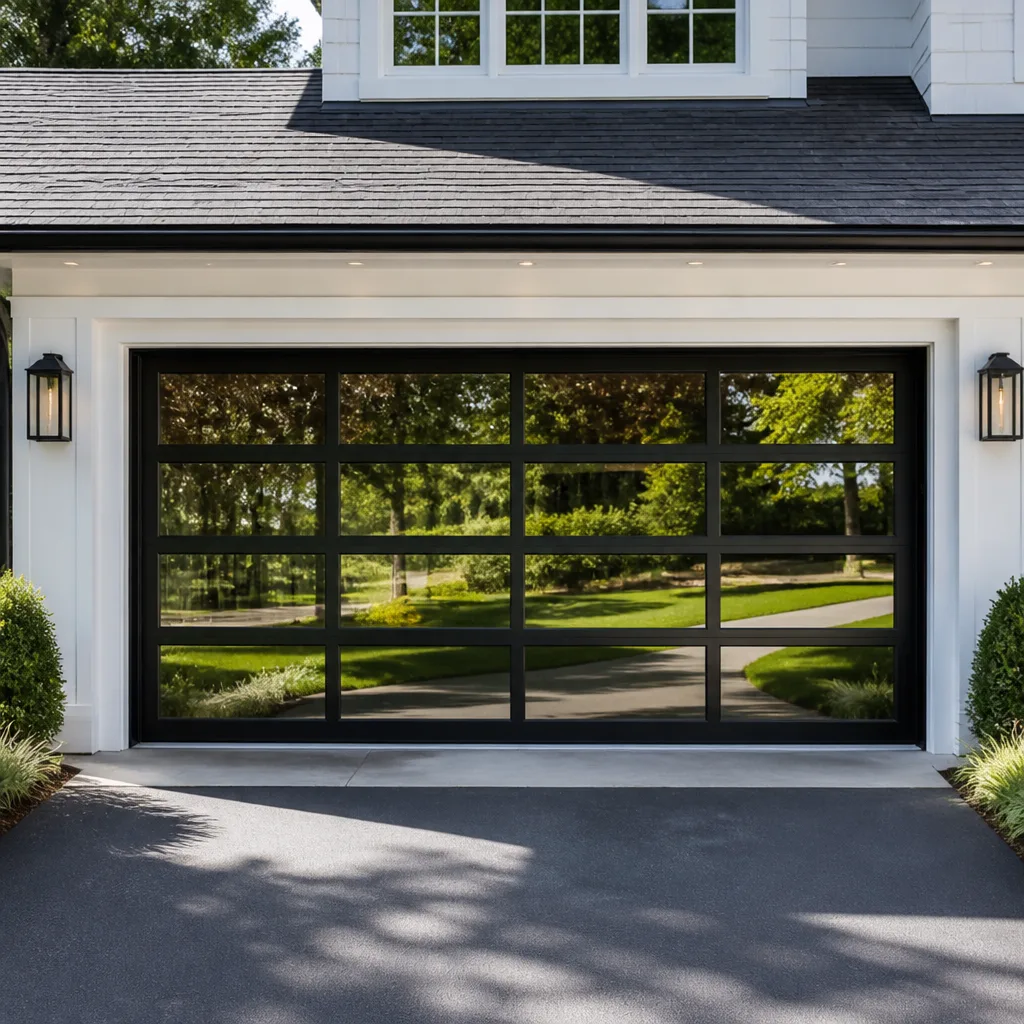 Full-view glass
 LiftMaster openers
 Chamberlain openers
Full 25-point door and opener safety check with every visit - springs, cables, rollers, tracks, and your LiftMaster or Chamberlain opener included
You get a price before we start. It does not change when the truck arrives.
Get your free estimateGarage Door Emergency Preparedness Guide for Riverside Homes
Most Riverside homeowners never think about their garage door until it refuses to open. But here’s the counterintuitive part: the garage door is statistically the largest moving object in your home, and it’s also the one most likely to fail during the exact emergencies where you need it most. During the 2020 Lake Fire evacuation orders in the Riverside County area, residents with automatic garage doors and no working manual release or battery backup were among the first to call for help, not because the door was broken, but because they’d never practiced using the red cord. This guide covers what to do before, during, and after an earthquake, wildfire, or extended power outage in Riverside so your garage door never becomes the thing that traps you or blocks your exit. For more on common issues, see our Garage Door Repair Troubleshooting: Common Problems and How to Fix Them.
Quick Answer
Riverside’s earthquake risk, wildfire evacuation corridors, and Santa Ana wind power outages each create specific garage door failure modes. The key preparations are: practice your manual release once a quarter, install or verify a battery backup unit rated for Riverside heat, know the post-earthquake inspection points before touching the opener, and keep a short list of essentials (flashlight, locking pliers, release-cord extension, spare batteries) in a marked bin near the interior garage door. If you’re evacuating for fire, leave the garage door open and manually locked unless you have a battery backup and are certain you can operate the release under stress.
Styles & brands we work with
Table of Contents
- Power Outages and Your Garage Door
- The Manual Release: How It Works and How to Practice
- Battery Backup Openers: What Actually Works in Riverside Heat
- Post-Earthquake Inspection: What to Check Before You Touch the Opener
- Wildfire Evacuation and Your Garage Door
- What to Keep in the Garage: A Short List That Covers 90% of Scenarios
- Common Mistakes to Avoid
- When to Call a Professional
- Frequently Asked Questions
Power Outages and Your Garage Door
Santa Ana wind events knock out power across Riverside neighborhoods from La Sierra to Canyon Crest, sometimes for 12 to 72 hours at a stretch. When the grid goes down, your automatic opener becomes a dead switch. The door itself is still functional, but only if you know how to disengage the opener and lift the door by hand.
Here’s the specific sequence that works on most residential setups:
- Locate the emergency release handle. It’s almost always a red cord hanging from the opener rail above your car, near the motor unit or a few feet back from the door.
- Pull the cord down and toward the door. You’ll hear a click or a clunk. This disengages the carriage from the opener chain or belt.
- Lift the door manually by its handle or bottom edge. A properly balanced door lifts with one hand and stays open on its own. If it feels heavy or drops, a spring has failed and you should call a pro before forcing it.
- To re-engage, pull the cord again while the door is fully closed, then run the opener once so the carriage reconnects.
In our experience across Riverside, the most common failure we see after an outage isn’t the door. It’s the homeowner discovering for the first time that the red cord was hidden behind a storage shelf, painted over, or tied up out of reach. If you can’t see the release cord from the door, you can’t use it in the dark. Check it tonight.
The Manual Release: How It Works and How to Practice
The red emergency cord is simple, but under stress it’s easy to get wrong. We recommend practicing the sequence once a quarter. It takes 60 seconds and it’s the single highest-value habit in this guide.
Step-by-step practice drill
- Close the garage door fully.
- Stand clear of the door’s path and pull the red cord straight down. You should hear the carriage release.
- Lift the door about halfway and let go. It should stay put. If it creeps down, note it: your springs need attention.
- Pull the cord again to reset, then press the opener button so the carriage reconnects automatically.
One thing many Riverside homeowners miss: after you disengage the door manually, it isn’t locked. During an outage that means anyone could potentially lift it from outside if you leave it disengaged. The manual slide lock, the little latch on the side rail, is what actually secures the door when the opener is disengaged. If you’ve never used yours because the opener always locked it, now is the time to test it. Slide lock bolts can seize in Riverside’s dry, dusty air if they haven’t been moved in years.
Battery Backup Openers: What Actually Works in Riverside Heat
Garage Door Permits, Codes & Inspections in CA: What You Need to Know explains that California building code has required battery backup on new garage door openers since 2019, but plenty of Riverside garages have older units without one. If your opener is pre-2019 and you’re in a wildfire interface zone or an area with frequent outages, a battery backup is worth serious consideration.
What we tell Riverside customers differs from what you’ll see in a spec-sheet comparison. Most battery backup units spec their runtime at 72°F. Riverside garages routinely hit 95°F to 105°F in summer, and heat degrades battery chemistry faster than anything else. We’ve seen backup units in Woodcrest and Orangecrest garages fail in half their rated runtime after two summers. That doesn’t mean they’re useless. It means you should plan for the real-world number, not the marketing one.
The units we see hold up best in Riverside conditions are the LiftMaster and Chamberlain integrated backup systems, which use lithium cells with better high-temperature tolerance than older lead-acid designs. Genie also makes a reliable add-on for its screw-drive line. Whatever you choose, have the battery tested annually, ideally before fire season, and know its honest cycle count. A battery that’s rated for 20 cycles but has been through 30 outages is no longer a backup. It’s a false sense of security.
Post-Earthquake Inspection: What to Check Before You Touch the Opener
Riverside sits near the San Jacinto fault zone, and a magnitude 6.0 or larger event will shake every garage in the city. After the shaking stops, the instinct is to hit the opener and see if the door works. That’s the wrong move. A shifted track, a cracked torsion bar, or a pulled header anchor can turn a damaged door into a falling one.
Here’s the inspection sequence we teach, in order:
- Look at the header from inside. The header is the wood or steel beam above the door opening. Check for separation between the header and the wall framing, or between the header and the opener mounting brackets.
- Inspect the tracks on both sides. Run your eye from floor to ceiling. Any bowing, twisting, or gap between the track and the wall means the door’s travel path is compromised.
- Check the torsion bar. Above the closed door you’ll see a horizontal shaft with springs on it. Look for cracks, slippage at the cable drums, or a spring that’s visibly separated or unwound.
- Examine the concrete anchor points. The vertical track brackets bolt into the concrete or framing at the floor. A significant quake can shear these anchors even if the track looks straight from above.
- Only then test the door manually. Disengage the opener with the red cord and slowly lift the door by hand. It should move smoothly and stay up. If it binds, sticks, or feels heavier than usual, stop and call a pro.
In a real quake, aftershocks are coming. You want to know the door is structurally sound, not just that it opens. And remember that a door that survived one quake may have a weakened spring or bracket that fails during the next one. If you see any of the warning signs above, leave the door closed and locked, use another exit, and get a professional inspection before cycling it with the opener.
Wildfire Evacuation and Your Garage Door
Riverside’s wildfire risk is concentrated in the foothills and canyon corridors, but evacuation orders have reached urban edges before, and wind-driven embers travel miles. When an evacuation hits, your garage door decision has a direct effect on the house.
Here’s the often-overlooked fact: a closed garage door left on an automatic opener during a structure fire can trap heat and smoke in the garage. The space becomes a sealed box. That accelerates interior temperature rise and pushes fire through the door from the house side into the garage. A door left open with the manual slide lock engaged vents heat and gives firefighters a line of sight and access.
This doesn’t mean leave your door wide open in every scenario. Here’s the decision tree we recommend:
- If you have time and power: Open the door fully, disengage the opener, engage the manual slide lock, and exit through the house. The door stays locked against casual entry but is no longer creating a sealed heat box.
- If you have a battery backup: Test it by opening the door on backup power, then follow the same manual lock procedure. Don’t count on the backup alone; batteries fail in heat and fires consume power lines unpredictably.
- If the power is out and you have no backup: Use the manual release, lift the door, engage the slide lock, and go. This is exactly the drill from the opening of this guide, and it’s why practicing matters.
One Riverside-specific note: if you have an attached garage with living space above it, the heat-box effect is even more dangerous. The garage ceiling is a fire-rated assembly, but a door left sealed can push fire through that boundary faster. If you’re evacuating and it’s safe to do so, opening that garage door is a low-cost, high-impact move.
What to Keep in the Garage: A Short List That Covers 90% of Scenarios
You don’t need a 50-item prepper kit. But there are six items we recommend keeping in a marked bin near the interior garage door—see our Garage Door Repair Maintenance Checklist for Riverside Homeowners for the full breakdown. Together they solve the overwhelming majority of garage door emergencies we respond to in Riverside.
- A bright flashlight with fresh batteries. Not your phone. A real flashlight you can hold while pulling a release cord in the dark.
- A pair of locking pliers. If a cable breaks or a spring fails while the door is partially open, clamping locking pliers onto a track just below a roller keeps the door from dropping.
- A release-cord extension. A 3-foot length of cord tied to the red handle with a small loop at the end, so you can reach it even if the door is partially open or you’ve moved things around.
- Spare batteries for the opener remote and wall pad. The most common “emergency” call we get is actually just a dead remote battery, and that’s a 30-second fix you can do yourself.
- A note card with our number, (833) 620-3811, and your door’s brand and model. When you’re stressed, you’ll forget which opener you have. The tech needs to know before they drive out.
- A can of dry silicone lubricant. Specifically for the rollers and hinges. Dry lube doesn’t attract Riverside dust the way wet lubes do, and it’s safe to use a few times a year.
That’s the whole list. If you have those six things, you can handle most manual releases, safely secure a broken door, and make a faster, more useful call when you need help.
Common Mistakes to Avoid
- Not knowing where the red release cord is. This is the single biggest one. If it’s hidden behind storage, tie an extension to it or move the storage. In an emergency you won’t have time to dig.
- Testing the door with the opener after an earthquake. This is the second most common. A quake can shift a track or crack a spring without any visible damage from the outside. A power test can turn a repair into a replacement.
- Assuming the battery backup works because it has a light. The indicator light on many units shows a charge, not a functional cycle. The only reliable test is running the opener on battery power for a full open and close. Do it annually.
- Using the wrong lubricant. WD-40 is a solvent, not a lubricant. It will strip whatever lube is on your rollers and attract Riverside dust. Use dry silicone only.
- Leaving the garage door closed during a wildfire evacuation. If you’re certain you’re leaving and there’s any fire risk, an open, manually locked door is safer than a sealed one. This is one of the rare situations where an open garage door is the correct emergency posture.
- Forcing a door that feels heavy. If the manual release is pulled and the door won’t stay up on its own, a spring has failed. Forcing it risks the door dropping and the cables snapping. Stop and call.
- Storing flammables near the opener motor. Paint, solvents, and gas cans near an opener motor that generates heat, or near a battery backup that could vent under Riverside summer temperatures, is a fire risk. Keep the area around the opener clear.
When to Call a Professional
Some garage door problems are safe to diagnose yourself. Others are not. If a spring is broken, if a cable has snapped, if the door is off its track, or if the torsion bar shows cracks after a quake, that’s not a DIY moment. Torsion springs hold hundreds of pounds of tension, and they release that energy without warning when they fail. The same goes for any post-earthquake repair: if you see header separation, track displacement, or pulled anchors, the door needs a structural assessment before it’s cycled.
There’s also the question of whether your opener is worth repairing or whether the outage or quake made a replacement the better call. Honest Garage Door Service offers free estimates in Riverside, and we work on all eight major residential door and opener brands: LiftMaster, Chamberlain, Genie, Clopay, Amarr, Wayne Dalton, Craftsman, and Raynor. If you’re unsure whether a backup battery, spring replacement, or full door replacement makes sense for your situation, call (833) 620-3811. We’ll tell you what’s wrong, what it costs to fix, and whether you actually need the fix before any work starts.
Frequently Asked Questions
Pull the red emergency release cord hanging from the opener rail, then lift the door by hand. A properly balanced door will open smoothly and stay up on its own. Practice this once a quarter so you can do it in the dark. Call Honest Garage Door Service home if your door feels heavy or won’t stay up when lifted manually, since that signals a spring issue.
If your opener was installed before 2019 and you live in a wildfire-prone area or an outage-heavy neighborhood, yes. Riverside’s summer heat cuts into battery runtime, so test the backup at least once a year and plan for about half the rated cycles on older units. A Garage Door Opener Repair in Riverside technician can test your backup and tell you if it’s worth replacing.
Before touching the opener, inspect the header for separation, the tracks for bowing or twisting, the torsion bar for cracks, and the concrete anchor points at the floor for pulled bolts. Then test the door manually with the release cord. If anything looks off, leave the door closed and call for a professional inspection. See our Garage Door Repair in Riverside guide for more detail on post-seismic checks.
Open it, then lock it manually with the slide lock, then leave through the house. A closed automatic door turns your garage into a sealed heat box, which accelerates interior damage and makes it harder for firefighters to access the space. This is the one emergency where the correct move is intentionally leaving the door open.
Yes. We install and service all eight major opener brands including LiftMaster, Chamberlain, Genie, and Raynor. The best choice depends on your door’s weight, your garage’s summer temperature profile, and whether you want a belt or chain drive. A Garage Door Installation in Riverside includes a full assessment and written quote before any work begins.
Expect to pay between $350 and $650 installed for a quality belt-drive opener with integrated battery backup, depending on your existing door and opener configuration. The exact price depends on whether we’re replacing an existing unit or adding backup capability to your current system. Call (833) 620-3811 for a free, exact quote in Riverside. We quote the price before we start, and that’s the price you pay.
The Bottom Line
Riverside homes face a specific combination of risks: earthquake shaking that can loosen door hardware, wildfire evacuation orders that demand a functioning exit, and Santa Ana-driven outages that disable automatic openers. The preparation that matters is also the simplest: know your red cord, test your battery backup in the heat, inspect after quakes before touching the opener, and keep six small items in a bin near the door. That’s the difference between a garage door that works when you need it and one that becomes the emergency. Honest Garage Door Service is here if you need a hand, a repair, or a straight answer, and you can find more guides & resources on our blog.
For help with any garage door issue in Riverside, from emergency repairs after an outage or quake to a full battery backup installation, call (833) 620-3811 for a free estimate. We’ll tell you what’s wrong, what it costs, and what you actually need before any work begins.
Written by the team at Honest Garage Door Service, serving Riverside since 2015.
See the difference
 Before
 After
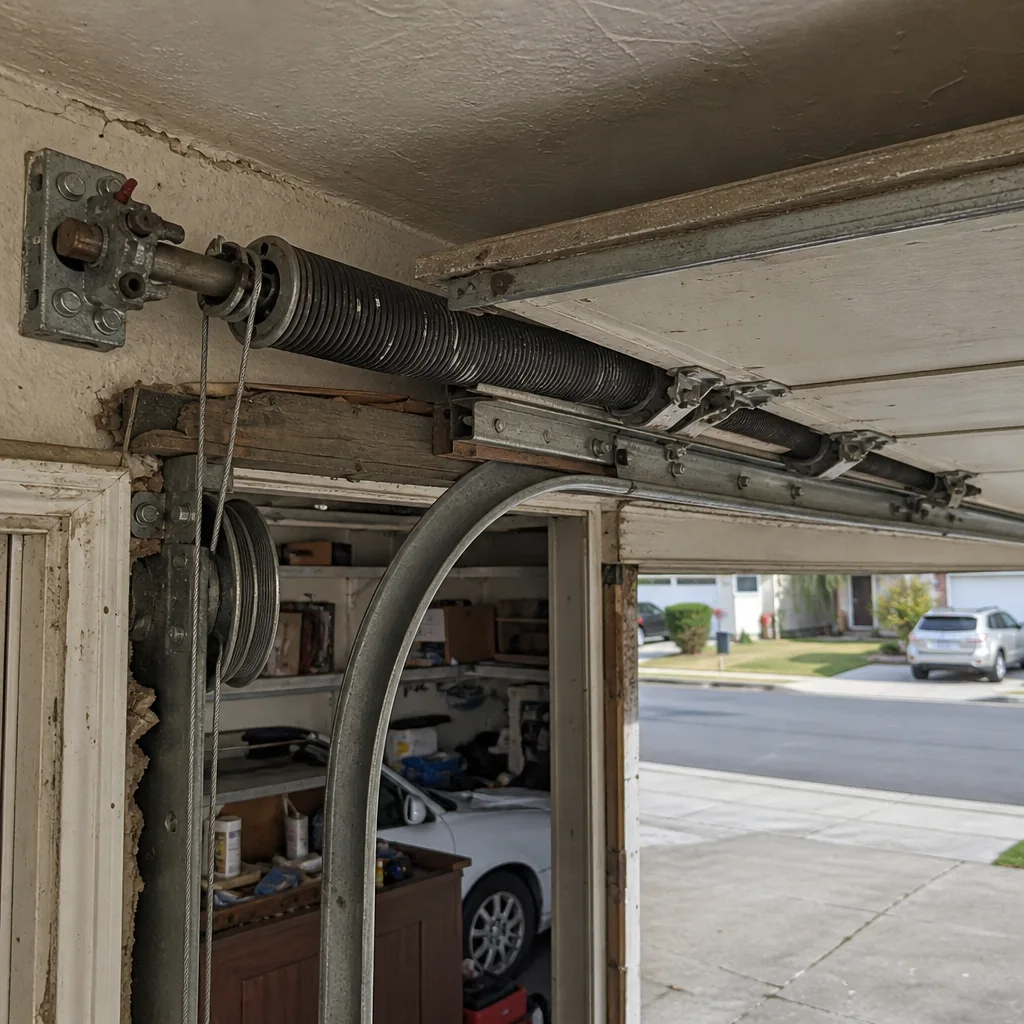 Before
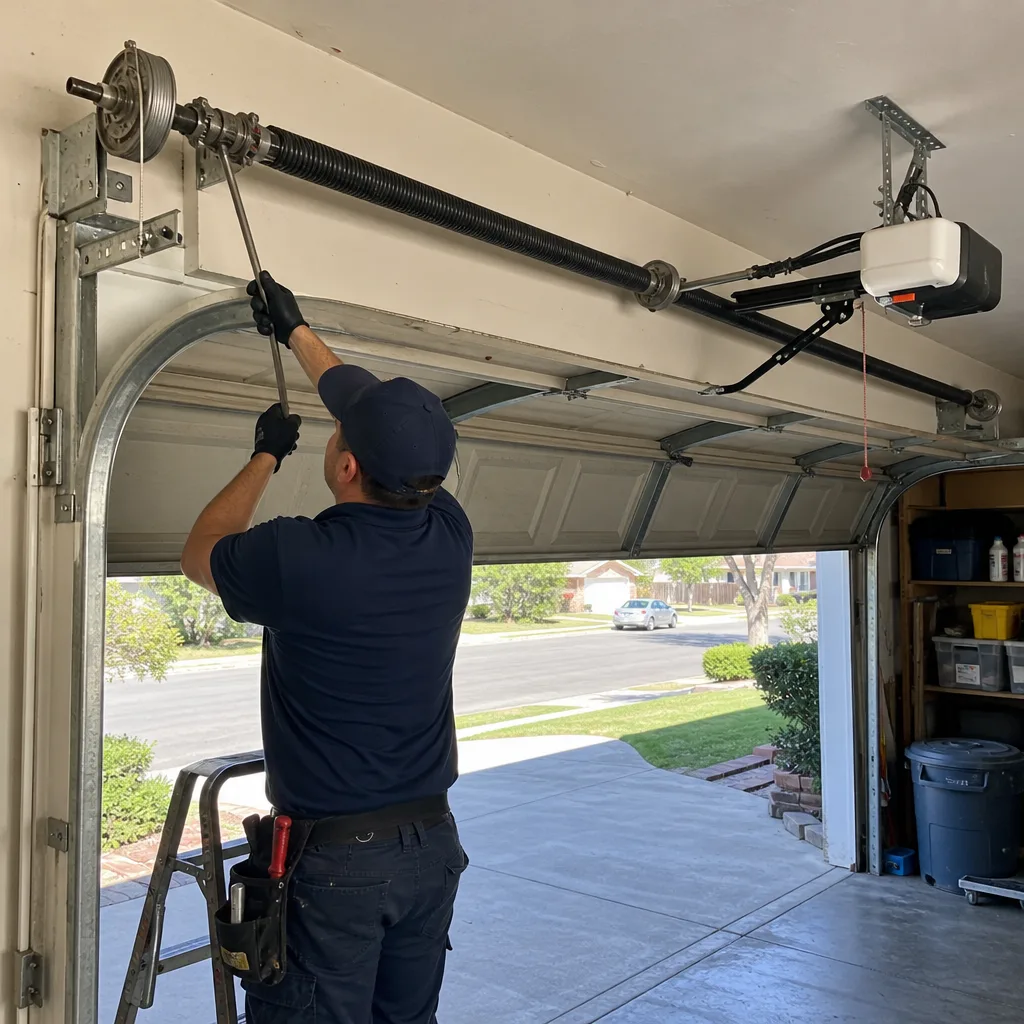 After
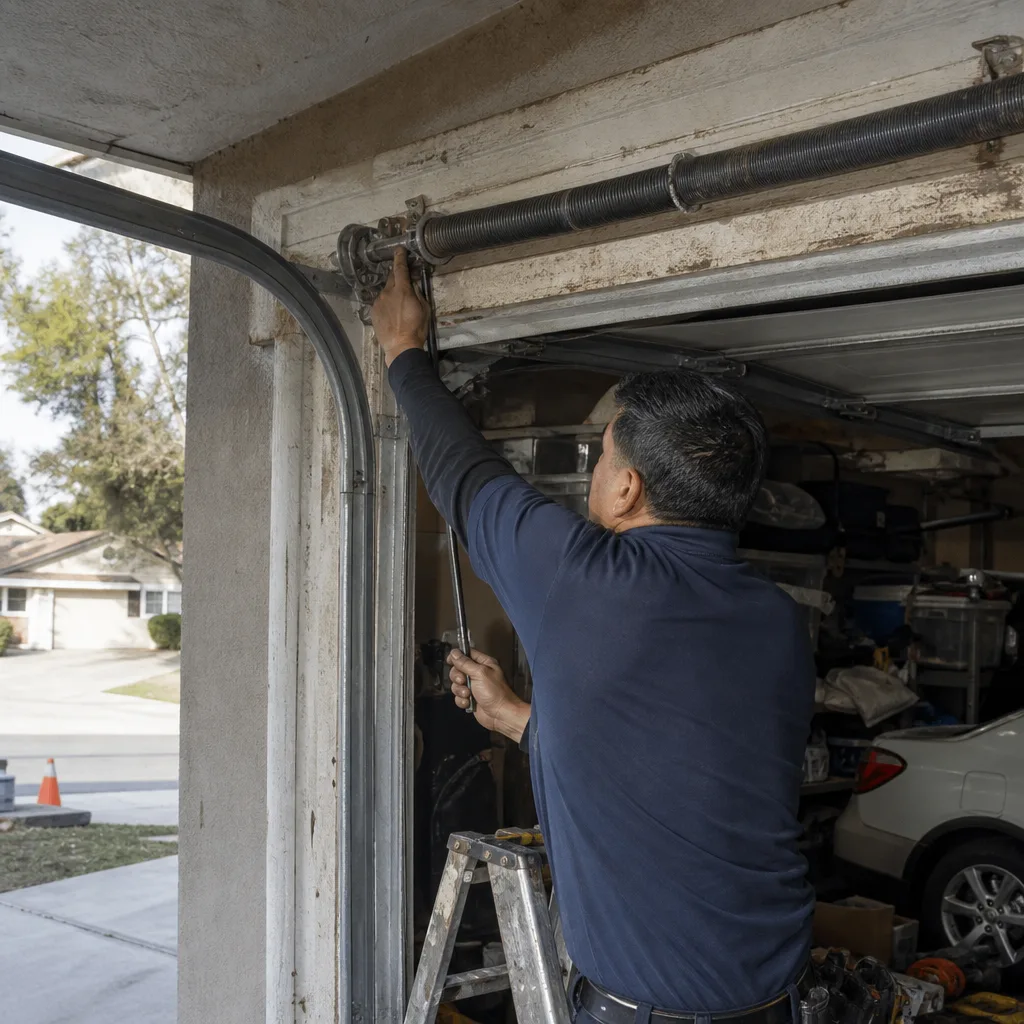 Before
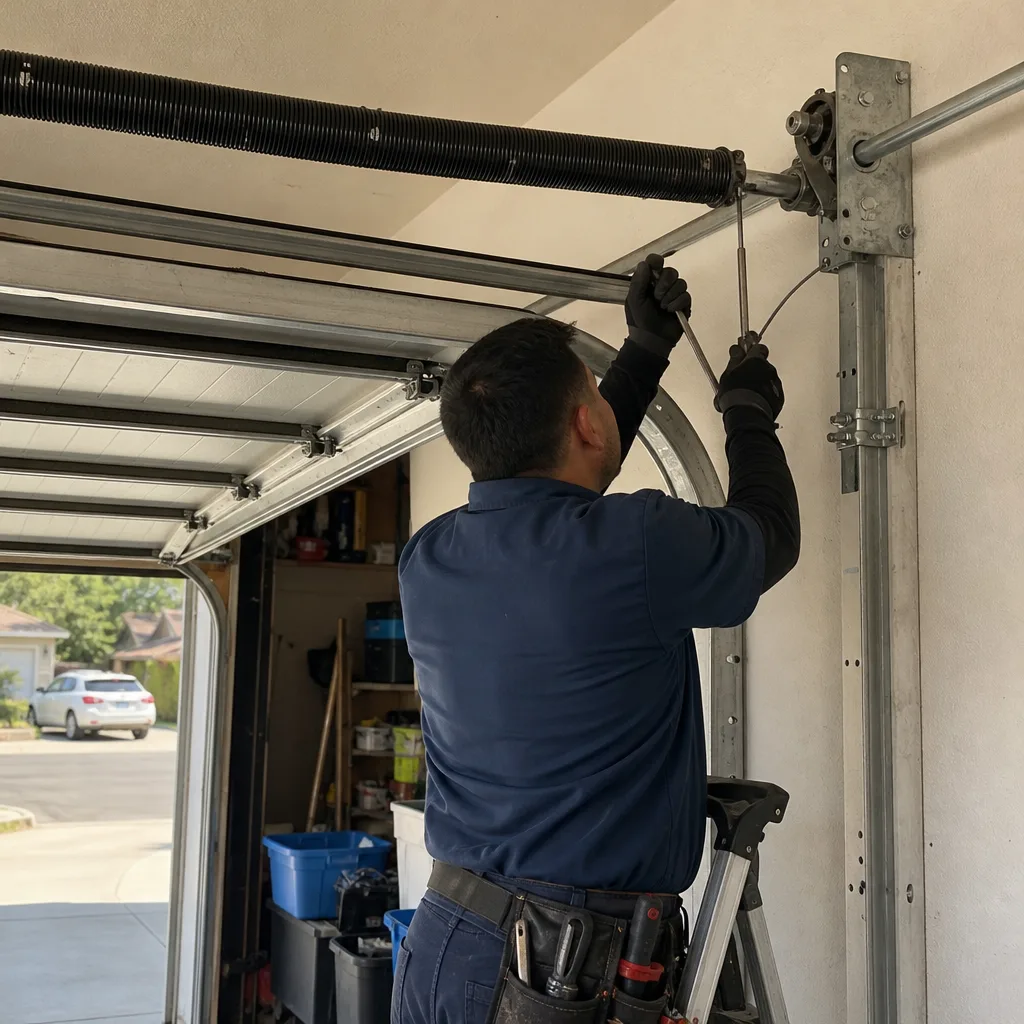 After